

Xinhua Silk Road: Culture ignites vitality, high-quality development in E. China’s Quanzhou
BEIJING, Aug. 11, 2026 /PRNewswire/ — In Quanzhou, a city famed as the maritime emporium during the Song and Yuan dynasties, cultural diversity and fruitful preservation and inheritance have paved the way for vibrant and high-quality urban development.
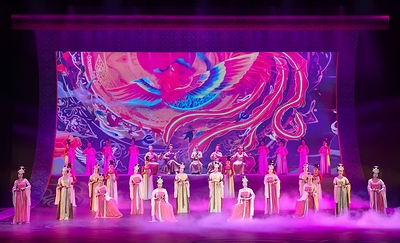
For years, the city home to multiple world- and national-level intangible cultural heritages (ICH) has been engaged in holistic protection, systemic inheritance and innovative revitalization of local historical and cultural heritages.
With concrete efforts, Quanzhou managed to preserve the original appearance of historical and cultural relics.
For instance, the renovated Dacheng Hall of Confucius Temple there reserves the original style and the recovered historical and cultural streets well balance the needs of daily life and landscape protection.
Such pragmatic preservation practices together with the establishment of protection centers of various levels help the city craft a “living ancient city” and a basket of model zones for stellar cultural relics protection.
In the ancient-style alleys and streets there, cultural heritage is brought into everyday lives of locals, who are free to immerse themselves in the slow-paced but elegant melody of Quanzhou Nanyin, dramas of lifelike puppets, or the engaging beauty of floral wreaths from Xunpu Village.
When a well-planned public culture regime functions smoothly, exquisite cultural works flourish in Quanzhou where cultural and art teams and talents gather for cultural communication activities and diverse performances.
Currently, rich cultural heritages-driven cultural industry has grown as a competitive engine propelling high-quality development of the city.
In Anxi County, Tieguanyin represents not only a popular tea, but also a burgeoning sector encompassing tea manors, cultural study tours and homestays.
In Yongchun County, potential of traditional incense-making culture was unlocked through incense product R&D, incense therapy-based wellness, creative incense cultural products production, and related sales at home and abroad.
In Dehua County, white porcelains have walked into modern home furnishings market, artistic collections, and creative fashion products sector and became a sensation amid the trending China-chic.
Last year, output value of Anxi’s tea industry, Yongchun’s incense industrial chains and Dehua’s ceramic industrial clusters reached 46.05 billion yuan, 13.5 billion yuan and 76 billion yuan respectively.
In Quanzhou, other ICHs such as stone carvings from Hui’an County are also being explored to contribute to the clustering of local cultural industries with distinctive characteristics.
Original link: https://en.imsilkroad.com/p/351667.html
 View original content to download multimedia:https://www.prnewswire.co.uk/news-releases/xinhua-silk-road-culture-ignites-vitality-high-quality-development-in-e-chinas-quanzhou-302848162.html
