
From Swings to Trade Fairs: Raja Parba 2026 Transforms Odisha into a Festival of Earth, Culture, and Economy
As the first monsoon showers touch the parched land of Odisha, the state comes alive with the vibrant celebration of Raja Parba 2026, a unique four-day festival that blends ecological awareness, cultural tradition, and social joy. Unlike many festivals centered on deities, Raja Parba stands apart as a deeply symbolic celebration of Mother Earth and womanhood.
The word Raja comes from Rajaswala, meaning a menstruating woman. In Odia tradition, it is believed that Bhudevi (Mother Earth) undergoes her menstrual cycle during this period, resting and rejuvenating before the agricultural season begins. The festival therefore becomes a time of respect, rest, and renewal for nature.
Earth in Rest: The Core Philosophy
During Raja Parba, Odisha symbolically halts agricultural activity to honor the Earth’s resting phase. Farmers avoid ploughing fields, cutting trees, or disturbing the soil. People treat the ground with care, reflecting a deep environmental ethic rooted in tradition.
Household routines also change significantly. Women and young girls are traditionally exempted from daily labor, especially cooking and heavy chores, marking a rare social pause that celebrates womanhood and rest.
The Four Days of Raja Parba 2026
The festival in 2026 continues to follow its structured four-day cycle:
1. Sajabaja (June 13) – The Preparation Day
The day before the festival is dedicated to preparation. Homes are cleaned, ingredients are stored, clothes are arranged, and all heavy work is completed in advance so that the coming days remain free of labor.
2. Pahili Raja (June 14) – The First Day
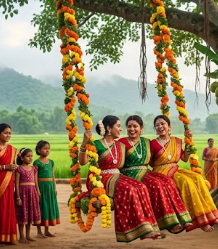
The festival officially begins. Girls wear new traditional attire, apply alata (red dye) to their feet, and gather for swings tied to mango and banyan trees. The atmosphere fills with Raja Geeta folk songs and community bonding.
3. Raja Sankranti (June 15) – The Main Celebration
Also known as Mithuna Sankranti, this is the peak day of festivities. Families prepare elaborate feasts, community gatherings are held, and traditional games and cultural performances take place across villages and towns.
4. Basi Raja / Basumati Snana (June 16) – The Closing Ritual
The final day marks the ritualistic conclusion of the festival. The Sila (household grinding stone symbolizing Mother Earth) is bathed with turmeric, decorated with flowers and fruits, and worshipped, signifying the Earth’s rejuvenation and readiness for cultivation.
Swings, Songs, and Culinary Heritage
The most iconic image of Raja Parba remains the decorated swings (doli) suspended from banyan and mango trees become centers of joy, where young women swing high while singing traditional Raja Geeta folk songs.
Food is central to the celebration. The festival is synonymous with rich traditional delicacies like poda pitha, slow-cooked overnight in a clay oven, along with arisa pitha, manda pitha, and chakuli. These dishes reflect Odisha’s deep culinary heritage.
Another cherished tradition is the Raja Paan, a festive betel leaf preparation filled with sweet spices, coconut, and cherries, widely sold in markets and stalls during the festival.
Raja Parba 2026 Meets Modern Odisha: Trade Fairs and Economic Energy
In 2026, Raja Parba is not only a cultural celebration but also an economic driver in urban Odisha. In Janata Maidan Exhibition Ground, a large Raja-themed trade fair has been organized, bringing together artisans, entrepreneurs, and self-help groups from across the state.
Similarly, exhibitions and commercial stalls at the IDCO Exhibition Ground Trade Fair have strengthened seasonal economic activity. These platforms showcase handlooms, handicrafts, rural products, food industries, and local enterprises, generating income opportunities during the festive season.
This blending of culture and commerce has significantly boosted Odisha’s local economy, particularly benefiting small traders, artisans, and women-led self-help groups.
A Festival Rooted in Ecology and Humanity
Raja Parba 2026 is a reminder of Odisha’s unique cultural philosophy—where human life is seen in harmony with nature’s cycles. It celebrates rest for the Earth, dignity for women, and joy for communities, all while adapting to modern economic realities.
From rural swings under mango trees to bustling trade fairs in Bhubaneswar, Raja Parba continues to evolve—yet remains deeply rooted in its timeless message: the prosperity of humans is inseparable from the well-being of nature.