
Basumati Snana: Odisha’s Sacred Ritual of Rebirth, Rest, and Reverence for Mother Earth
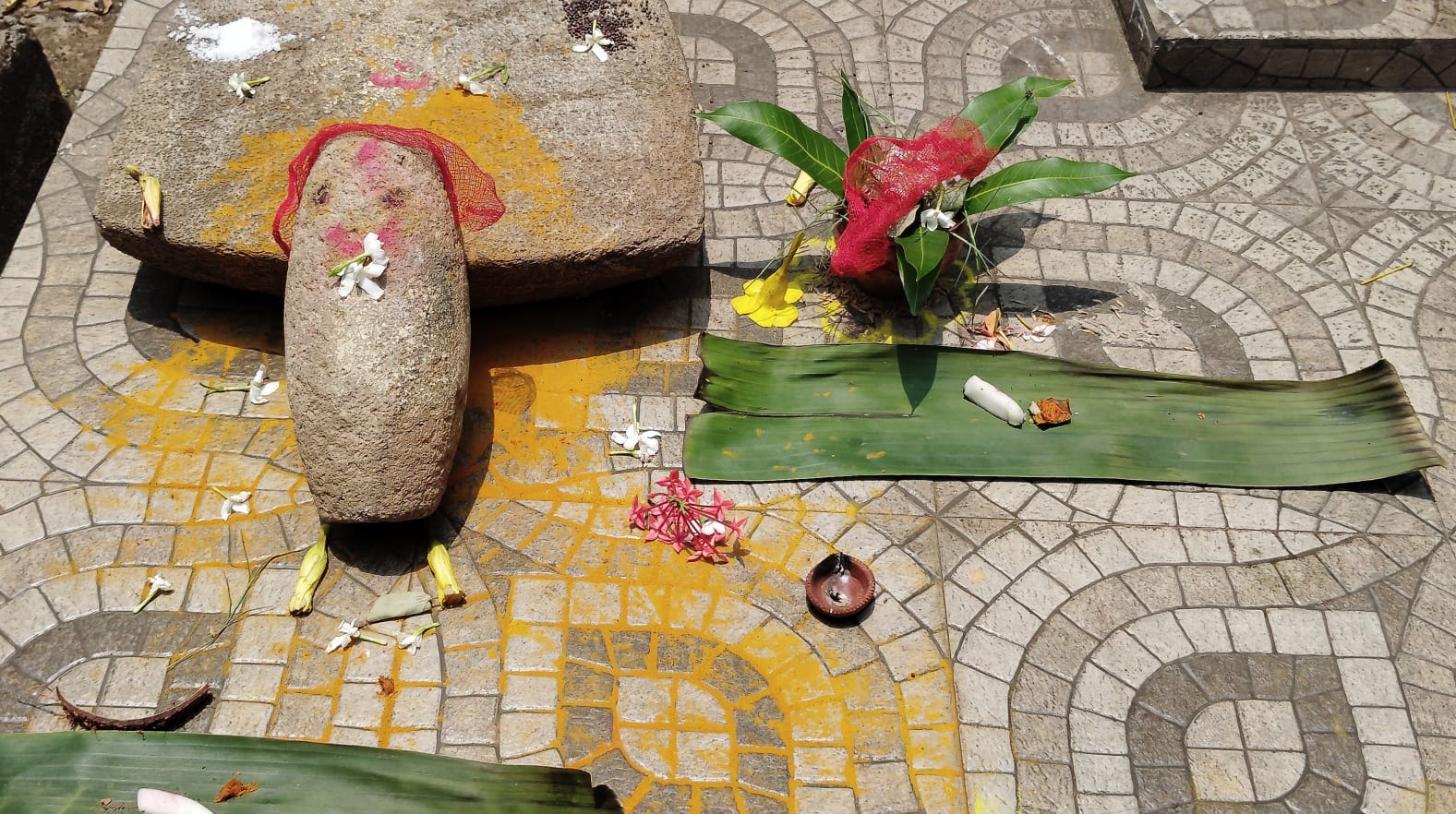
June 17: In Odisha’s rich cultural calendar, Basumati Snana stands out as a deeply symbolic and spiritually grounded ritual that concludes the vibrant Raja Parba festival. It is not merely a ceremonial tradition, but a poetic expression of how an agrarian society once understood the Earth—as a living, breathing mother who deserves rest, respect, and renewal.
Observed on the fourth day of Raja, Basumati Snana marks the ceremonial “bathing” of Basumati (Mother Earth), signalling the end of her symbolic rest period and the beginning of a new agricultural cycle.
When the Earth Rests Like a Mother
Raja Parba, celebrated across Odisha, is unique in its philosophy: during these three days, the Earth is believed to undergo her symbolic menstrual cycle. In respect of this natural process, all farming activities—ploughing, digging, tilling—are traditionally paused.
This cultural pause is not symbolic alone; it reflects an ancient ecological wisdom. The soil is allowed to rest, mirroring the idea that fertility is sustained not through constant extraction, but through renewal and care.
Basumati Snana becomes the moment of gentle return—when the Earth is ritually cleansed and awakened for the next cycle of cultivation.
The Silapua: Where Earth Becomes Divine
At the heart of this ritual lies the silapua, a traditional stone grinding slab found in many Odia households. During Basumati Snana, this everyday object is transformed into a sacred representation of Bhudevi.
Women of the household perform the ritual with devotion, bathing the silapua with turmeric water—a substance deeply associated with purity and healing in Indian tradition. It is then anointed with sandalwood paste, decorated with vermilion, and adorned with fresh flowers and seasonal offerings.
What emerges is a striking transformation: an ordinary stone becomes a living symbol of the Earth herself—nourished, honoured, and worshipped.
A Ritual Written in Colour, Fragrance, and Faith
The ritual is not performed in silence—it is accompanied by devotion, songs, and the fragrance of turmeric and flowers. Each element carries meaning:
- Turmeric water signifies purification and vitality
- Sandalwood paste represents calmness and sanctity
- Flowers and fruits symbolise abundance and gratitude
- Vermilion marks auspiciousness and life force
Together, they create a sensory offering to Mother Earth, blending ecology with spirituality.
An Ancient Environmental Philosophy
What makes Basumati Snana extraordinary is its ecological depth. Long before modern environmental frameworks, this tradition encoded a powerful idea: the Earth must rest to remain fertile.
The pause in agricultural activity during Raja mirrors sustainable land ethics. The ritual cleansing of the silapua represents the renewal of life, while the return to farming reflects a respectful re-engagement with nature.
In essence, Basumati Snana is an early form of environmental consciousness—where spirituality and sustainability are inseparable.
Honouring Womanhood and Natural Cycles
Another distinctive dimension of Raja Parba and Basumati Snana is its respectful alignment with feminine biology. The Earth’s symbolic cycle is celebrated rather than hidden, drawing a powerful parallel with womanhood and fertility.
This cultural perspective transforms what is often socially stigmatised into a moment of reverence, dignity, and celebration of life itself.
A Living Heritage for Modern Times
In an era marked by ecological stress and fading cultural memory, Basumati Snana offers more than tradition—it offers a philosophy.
It reminds us that:
- The Earth is not an object of extraction but a living presence
- Rest is essential for regeneration
- Human life is deeply interwoven with natural cycles
As turmeric water is poured and the silapua is adorned, Odisha’s ancient wisdom quietly speaks to the present: care for the Earth is not optional—it is sacred duty.