

Water Quality Testing Explained: Methods Used in Modern Water Testing Labs

Sources and Types of Water Contaminants
Water contamination arises from multiple sources, including industrial discharge, agricultural runoff, and natural events like floods. In rapidly growing urban regions such as Bhubaneswar, increasing industrial and population pressures make regular monitoring of groundwater essential, highlighting the importance of reliable groundwater testing Bhubaneswar services to ensure safe and sustainable water use.
Contaminants found in water generally fall into three categories:
Physical impurities: These include suspended particles, sediments, and other visible matter that affect water clarity and quality. Though often not directly toxic, they can support the growth of harmful microorganisms.
Chemical pollutants: Harmful substances such as heavy metals (like lead and arsenic), fertilizers, and pesticides enter water systems through human activities. Long-term exposure to these chemicals can accumulate in the body and cause serious health issues.
Biological contaminants: Microorganisms such as bacteria, viruses, and parasites are common in contaminated water. They can spread diseases, particularly when water is affected by sewage or animal waste.
Recognizing these contaminants helps in selecting appropriate testing and treatment methods.
Sample Collection Techniques
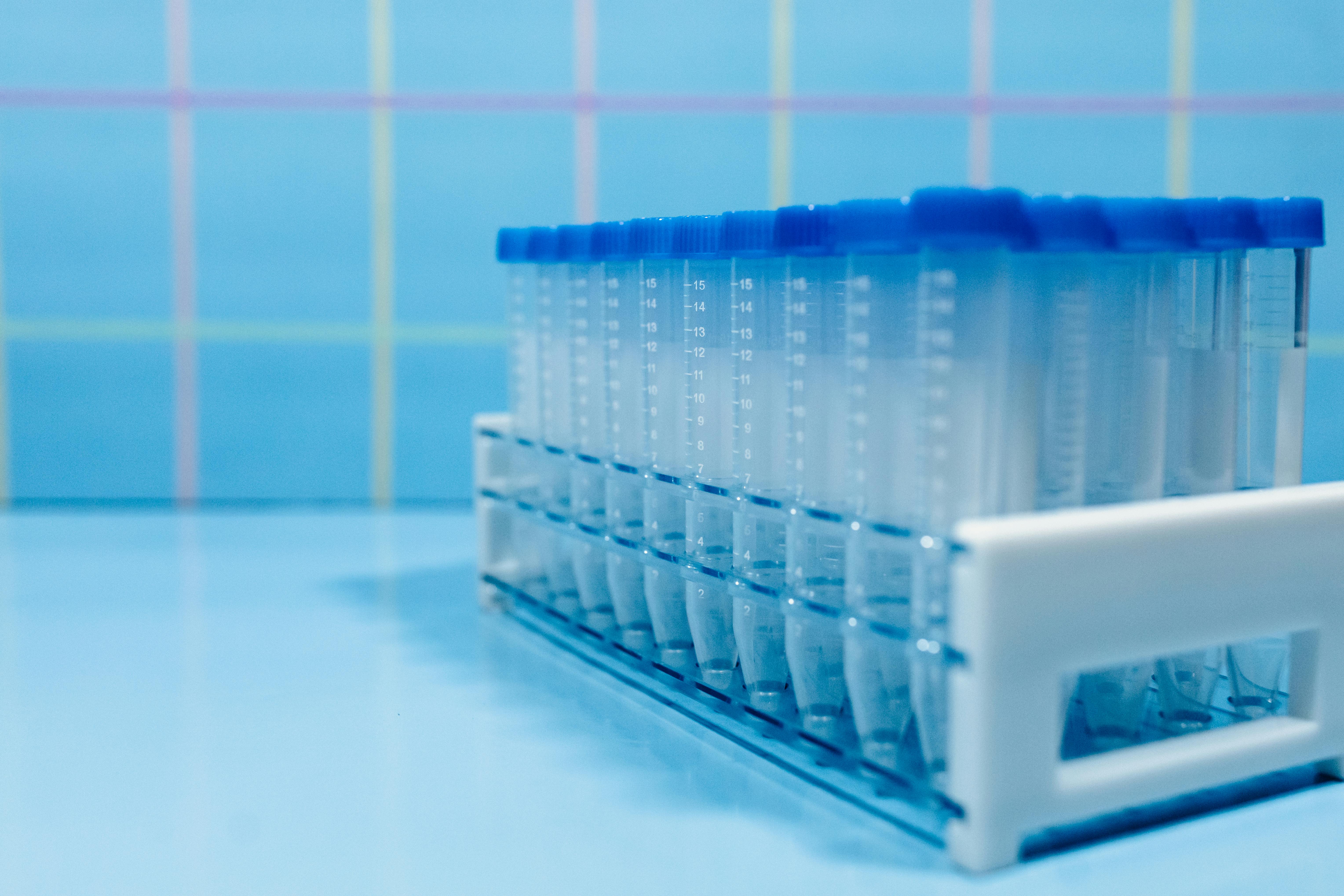
Accurate testing depends heavily on how water samples are collected. Different water sources require different approaches:
-
Surface water sources: Samples from rivers and lakes are often collected using grab sampling, which captures water at a specific time and location. In some cases, multiple samples are combined to represent a larger area.
-
Tap and distribution systems: Water is collected directly from taps after allowing it to flow for a short time, ensuring that the sample reflects the actual supply condition.
Proper storage and preservation of samples—such as cooling or adding stabilizing agents—are necessary to prevent changes before analysis.
Laboratory Testing Methods
Laboratories use a range of scientific techniques to analyze water samples:
-
Light-based analysis: Measures how substances absorb light to determine the presence and concentration of pollutants.
-
Separation techniques: Advanced processes separate different components in water, making it easier to identify harmful chemicals such as pesticides or industrial residues.
-
Microscopic examination: Allows scientists to detect and study microorganisms that may pose health risks.
Using a combination of these methods provides a detailed understanding of water quality.
Portable Water Testing Kits
Portable testing kits make it possible to assess water quality outside the laboratory. These kits are easy to use and provide quick results, making them useful in remote areas or emergency situations. They can measure factors like acidity (pH), clarity, oxygen levels, and the presence of certain chemicals.
Such tools are especially valuable during disasters or in regions where laboratory facilities are not readily available.
Standards and Monitoring
Water quality is regulated by established guidelines that define safe levels of contaminants. These standards ensure that water is regularly checked and maintained within safe limits. Testing laboratories must follow strict procedures to ensure accuracy and consistency in their results.
Maintaining these standards not only protects public health but also builds trust in water supply systems.
Innovations in Water Testing
Recent innovations are transforming water testing practices:
-
Smart sensors: Detect contaminants instantly and provide real-time data.
-
Nanotechnology: Enables detection of pollutants at extremely low concentrations with high precision.
-
Remote monitoring: Satellites and drones help track water quality over large areas.
-
Data-driven systems: Artificial intelligence predicts contamination risks and improves response times.
These advancements make water testing faster, more efficient, and highly reliable.
Conclusion
Water quality testing plays a crucial role in protecting human health, preserving ecosystems, and supporting economic activities. As environmental pressures increase, the need for accurate, timely, and efficient testing continues to grow. ensure that water supplies remain safe and sustainable for communities, industries, and the environment.
