

International Trauma Care (ITC) Hyderabad Chapter launched
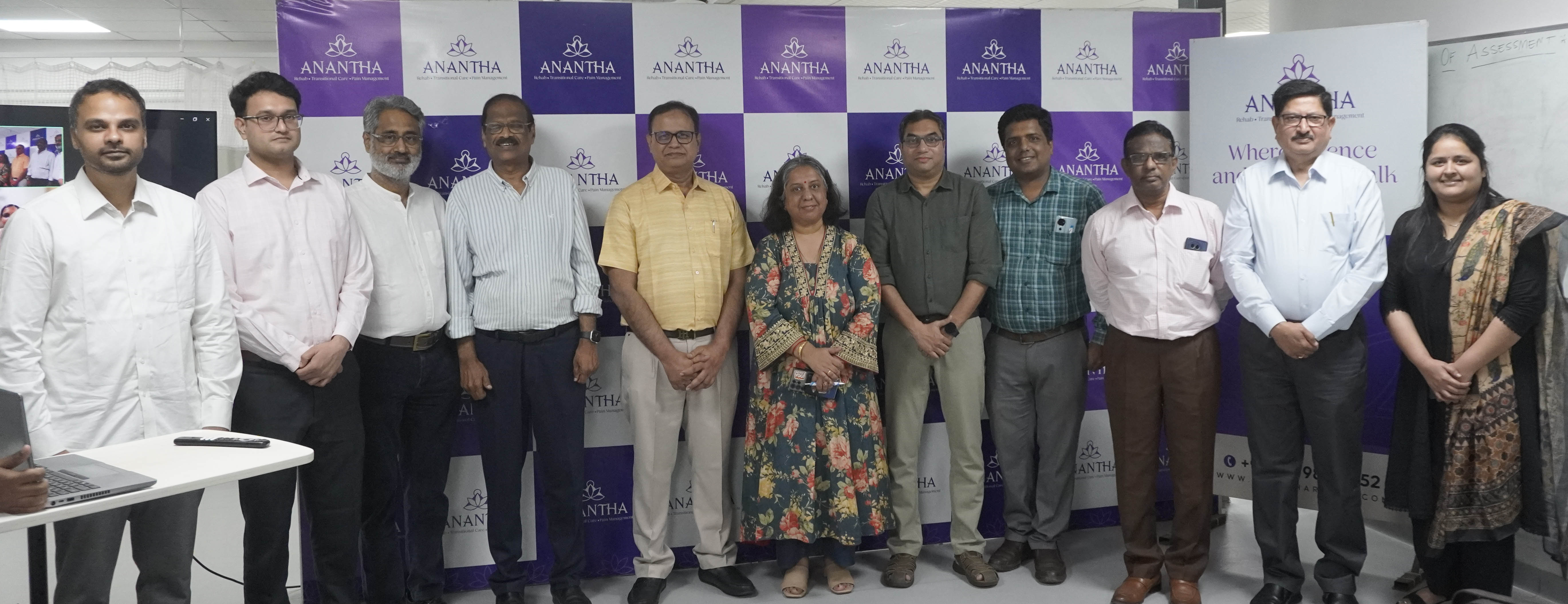
Hyderabad, July 23: International Trauma Care (ITC) Hyderabad Chapter launched in a meeting held at Anantha Rehabilitation Center at Begumpet on Wednesday
International Trauma Care (ITC) is a professional, multidisciplinary organization committed to reducing deaths and disabilities caused by trauma, particularly road traffic injuries.
The Hyderabad Chapter of International Trauma Care (ITC) was formally launched today. Dr. Manas Panigrahi, Senior Neurosurgeon at KIMS Hospitals, assumed charge as the President, while Dr. Ashima Sharma, Senior Professor of Emergency Medicine at NIMS, took over as the Secretary.
ITC is a professional organization conceived by Dr. Martin Issac in 1988. He designed, developed and implemented the Comprehensive Trauma Life Support (CTLS) programme internationally. ITC envisions a comprehensive approach to trauma care by focusing on prevention, promotion, treatment and rehabilitation. Over the past two decades, the organization has prioritized road traffic accident prevention at the community level, rapid response systems, standardized triage, stabilization and definitive trauma care.
The Hyderabad Chapter aims to create widespread awareness on trauma prevention and emergency response across Telangana by engaging schools, colleges, police personnel and other stakeholder groups. It will also organize Continuing Medical Education (CME) programmes and conduct Comprehensive Trauma Life Support (CTLS) training in leading medical institutions in Hyderabad and other regional centres across the state.
Trauma continues to be one of India’s most serious public health challenges. Every hour, nearly 19 people lose their lives in road traffic accidents (RTAs) across the country. Annually, around 1.68 lakh people die due to road crashes.
While post-crash emergency care is critical, experts stressed that road safety requires a comprehensive approach encompassing the three Es—Engineering (safer roads and vehicles), Enforcement of traffic laws, and Education of road users. Trauma care management, therefore, demands a multidisciplinary and multi-level strategy.
Telangana ranks ninth in the country in terms of road accident fatalities, recording nearly 8,000 deaths annually from about 25,000 road accidents. Young people constitute the majority of these victims.
Experts pointed out with concern that nearly 35% of road accidents now result in fatalities, compared to about 30% a few years ago, underlining the growing severity of road crashes.
They emphasized the importance of the “Golden Hour”—the crucial first hour after a traumatic injury—during which timely access to specialized trauma care can significantly improve survival rates. In trauma care, every second counts.
ITC is also expanding its network by inducting office-bearers and advisors from community-based organizations, policymakers, and professionals representing medical, nursing, paramedical and physiotherapy disciplines.
Speaking on the occasion, Dr. Manas Panigrahi highlighted the urgent need for trauma prevention and drew attention to the increasing incidence of severe head injuries and avoidable deaths caused by delays in reaching appropriate medical care.
Dr. Ashima Sharma emphasized that trauma awareness and first-response education should reach people from all walks of life, enabling communities to respond effectively during emergencies.
Dr. Rajanarsing Rao, National ITC, coordinated the launch event.
Dr. Chandrasekhar, Secretary, National ITC and former Professor of Anaesthesiology at Osmania General Hospital, said ITC would undertake proactive initiatives to bring about measurable and visible improvements in the trauma care ecosystem across Hyderabad and Telangana.
Unveiling ITC’s Vision for Telangana, the newly formed body shared that they believes that trauma care should not remain confined to hospitals or medical professionals alone. Saving lives requires a community-wide movement where every citizen is empowered to respond effectively during emergencies.
ITC plans to extend trauma care awareness and training beyond major cities by reaching every district of Telangana. As part of this vision, the organization proposes to establish District Trauma Skill Centres to train doctors, nurses, paramedics, first responders, police personnel, firefighters, teachers, students and other community volunteers in essential trauma care skills.
ITC also envisages the creation of Integrated Trauma Care Centres that bring together prevention, emergency response, definitive treatment, rehabilitation, education and research under a coordinated framework. Such centres would strengthen the entire trauma care ecosystem and ensure timely, standardized and quality care for trauma victims.
The organization strongly advocates that Trauma Care should be recognized as an Essential Competency for healthcare professionals as well as key frontline personnel. Equipping people with life-saving trauma management skills can significantly reduce preventable deaths and disabilities.
ITC aspires to work with the Government of Telangana, healthcare institutions, emergency services, educational institutions and civil society organizations to make Telangana a national model in trauma care—setting benchmarks in training, emergency response, integrated service delivery, research and community participation. The vision is to build a safer Telangana where every district is trauma-ready and every life has a better chance of survival.
Several doctors speaking at the launch expressed concern over the growing distraction caused by excessive mobile phone usage while driving and walking, describing it as a significant contributor to the increasing number of road accidents and fatalities.
They also observed that even when the traffic signal turns green, motorists often hesitate to move with confidence because of the possibility of vehicles jumping red lights from other directions. This is in sharp contrast to many Western countries, where stricter compliance with traffic rules creates greater predictability and safety on the roads.
Other experts observed that road users today need to do more than simply look left and right before proceeding. “In today’s urban environment, we must also look up,” they remarked, referring to incidents where vehicles have fallen from elevated roads and flyovers, including accidents reported in Hyderabad.
Such incidents, they said, reinforce the reality that trauma can strike anyone, anywhere, and at any time. Therefore, trauma care should not remain the exclusive domain of medical professionals—it must become everybody’s subject. Every citizen should possess basic trauma response skills that can help save lives until professional medical assistance arrives.