

Tamil Nadu Expands Breakfast Scheme to Classes 6-8, Issues New SOP
Chennai, August 17: The Tamil Nadu government has issued a Standard Operating Procedure (SOP) for expanding the Perunthalaivar Kamarajar Breakfast Scheme to students of Classes 6 to 8 in government and aided schools across the state.
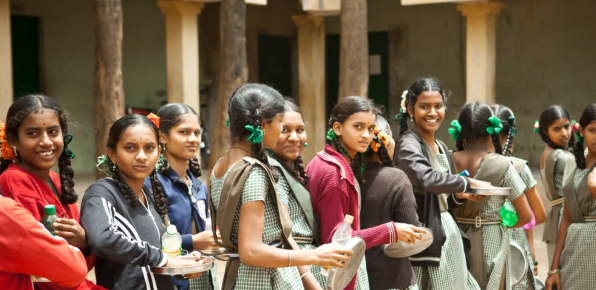
Pic Credit: Pexel
The expansion aims to strengthen the link between nutrition, health and education, ensuring that students begin their school day with a nutritious breakfast and are better prepared to concentrate and participate in classroom activities.
Under the new guidelines, breakfast will be prepared and served by selected members of Self-Help Groups associated with the State Rural Livelihoods Mission.
Eligible SHG members must generally have at least three years of experience in a self-help group, reside in the same village or town panchayat as the school and possess basic cooking skills. Their children should also be studying in the concerned school.
The minimum educational qualification has been set at Class 10, with the requirement relaxed to Class 8 for applicants from hilly, tribal and remote areas.
Selected SHG members will undergo training in cooking, food safety, hygiene, register maintenance and digital reporting before the programme begins. Training on the approved menu must be completed at least 15 days before implementation.
The SOP specifies that cooking will begin at 6 a.m., with preparation completed by 8 a.m. Hot breakfast will be served between 8 a.m. and 9 a.m., followed by cleaning of utensils and other kitchen facilities.
To ensure consistency in food quality, rice, pulses, cooking oil and salt will be supplied through the Tamil Nadu Civil Supplies Corporation and cannot be purchased locally. Vegetables may be sourced locally or grown in school and panchayat gardens.
Schools with fewer than 10 students can receive breakfast from nearby larger cooking centres. SHG members delivering meals to such schools will receive a Rs 1,500 distribution charge.
The SOP also places strong emphasis on monitoring and food safety. Schools will maintain daily registers, upload photographic reports through the scheme’s mobile application and preserve food samples. Regular inspections, independent evaluations and social audits will be undertaken to strengthen transparency and accountability.
The expansion is significant from an education and health perspective, as a regular morning meal can help reduce hunger and support children’s energy, concentration and participation in school. Extending the programme to Classes 6 to 8 also provides nutritional support to students during an important stage of physical growth and academic development.
With community-based implementation through women’s self-help groups and detailed quality-control measures, the expanded breakfast scheme seeks to ensure that better nutrition becomes an important part of better learning and healthier school life for children across Tamil Nadu.