What To Know Before Buying New Wheels for Your Car
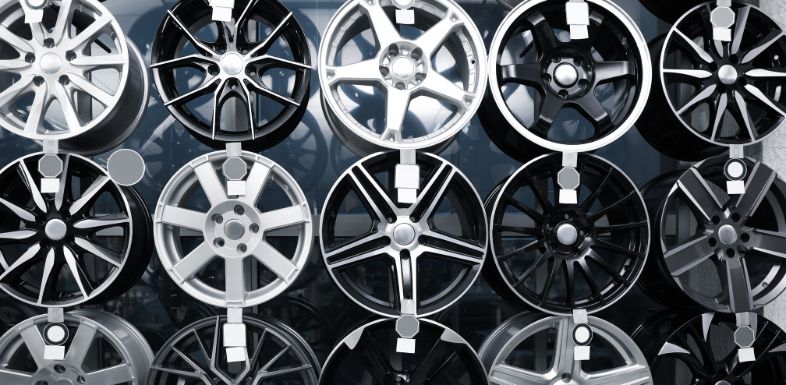
There are many things to consider before you purchase new wheels for your vehicle. Here, we explain what to know before buying new wheels for your car.
Buying a new set of wheels can change the way a car looks, feels, and performs. A fresh design can sharpen your vehicle’s style, but appearance should never outweigh function. Before you spend money on an upgrade, you need to understand how wheel size, fitment, and material affect safety, handling, and long-term value.
A smart purchase starts with the basics. Drivers who understand what matters most can avoid a poor fit, uneven tire wear, and unnecessary expenses. Below, we break down what you need to know before buying new wheels for your car.
Start With Proper Fitment
Fitment is the first detail to check because even an attractive wheel can create problems if it does not match your car. You need the correct diameter, width, bolt pattern, offset, and center bore. These measurements determine whether the wheel clears the brakes, sits correctly in the wheel well, and supports stable driving.
Car owners sometimes focus on style and skip the specifications, which can cause rubbing, vibration, or steering issues. Always confirm your vehicle’s factory requirements before comparing designs. If you want a larger wheel, make sure the tire size still supports proper clearance and ride quality.
Understand How Materials Affect Performance
Another thing to know before buying new wheels for your car is how the material affects drivability, driving feel, and performance. Steel wheels usually cost less and handle rough road conditions well, which makes them practical for drivers who value toughness over style. Alloy wheels, by contrast, weigh less and come in a wider range of finishes and designs.
That lower weight can improve responsiveness, braking feel, and fuel efficiency in some cases. Alloy wheels also appeal to drivers who want a more polished look. Still, each material has trade-offs, so your choice should reflect how you drive, where you drive, and how much maintenance you want to manage.
Think About Driving Conditions and Maintenance
Road conditions matter more than many buyers expect. Potholes, gravel roads, and harsh weather can punish wheels over time, especially if you choose a large, low-profile setup. A wheel that looks perfect in a showroom may not be the best match for daily commuting on damaged streets.
Maintenance should factor into your decision as well. Some finishes show brake dust and grime faster than others, and intricate wheel designs can take more effort to clean. Before you make your final decision, you should know how to properly clean and maintain your wheels.
Balance Style, Cost, and Long-Term Value
New wheels should complement your car without stretching your budget beyond reason. Premium designs and larger sizes can look impressive, but they may also raise tire replacement costs and increase the chance of damage from rough roads. Think beyond the initial purchase and consider how the wheels will affect future expenses.
Conclusion
When buying new wheels for your car, the best choice blends correct fitment, reliable performance, and a style that suits the vehicle. A well-informed decision gives you more than a visual upgrade. It helps your car stay safe, comfortable, and enjoyable to drive every day.