

What Really Determines How Long Heavy Equipment Lasts
Heavy equipment lifespan depends on how it is operated, maintained, repaired and stored. See what can keep machinery productive and reliable for years.
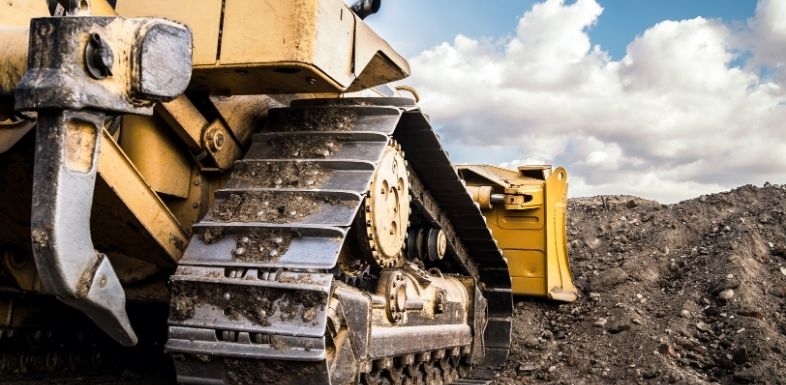
Heavy equipment is built to withstand demanding work, but being designed for tough conditions does not make a machine immune to wear. Two machines of the same model and age can reach very different points in their service lives. One may still perform reliably after thousands of operating hours, while another may experience frequent breakdowns and require major repairs much earlier.
So, what really determines how long heavy equipment lasts? The answer involves much more than the quality of the machine itself. Operating habits, maintenance practices, working conditions, component care, and even seemingly minor decisions made throughout the equipment’s life can affect its longevity. Understanding these factors can help owners get more productive years from their machinery while reducing unnecessary repair and replacement costs.
Operating Hours Only Tell Part of the Story
Operating hours are often treated like mileage on a vehicle. They provide a useful indication of how much a machine has been used, but they do not explain how that machine was used.
A piece of equipment that has accumulated thousands of hours performing relatively consistent work may experience less stress than a lower-hour machine that regularly operates near its maximum capacity. Frequent starts and stops, heavy loading, abrupt movements, steep terrain, and extended periods of high engine load can all increase mechanical stress.
Idle time matters as well. A machine may accumulate hours without performing productive work, and excessive idling can still contribute to engine wear, fuel consumption, fluid degradation, and emissions-system issues. Evaluating equipment longevity therefore requires looking beyond the hour meter and considering the type of work performed during those hours.
Maintenance Consistency Makes a Major Difference
Preventive maintenance is one of the strongest influences on equipment longevity. Engines, hydraulic systems, driveline components, bearings, cooling systems, and other assemblies depend on regular service to operate correctly.
The key is consistency. Missing one inspection or stretching one service interval may not cause an immediate breakdown, which can make deferred maintenance seem harmless. Problems emerge when those delays become routine. Contaminated fluids remain in circulation longer, filters become restricted, lubrication deteriorates, and small amounts of wear begin accumulating across interconnected systems.
Following manufacturer-recommended intervals provides a baseline, but maintenance schedules may need adjustment depending on actual operating conditions. Equipment working in severe heat, heavy dust, mud, or consistently high-load applications can require closer attention than machines operating under moderate conditions.
Operator Habits Affect Mechanical Wear
The person behind the controls has considerable influence over how quickly equipment wears. Skilled operation is not simply about productivity. It also involves understanding how to work efficiently without placing unnecessary stress on the machine.
Aggressive acceleration, abrupt directional changes, improper shifting, excessive speed over rough surfaces, and repeated overloading can place additional strain on components. These behaviors may not cause an immediate failure, but their effects accumulate.
Good operators also tend to notice changes in equipment behavior sooner. An unfamiliar vibration, unusual sound, slower hydraulic response, change in steering feel, or unexpected temperature increase can provide an early warning that something is wrong. Reporting these changes promptly gives maintenance teams an opportunity to investigate before a small issue develops into a costly repair.
Working Conditions Can Accelerate Wear
Heavy equipment frequently operates in environments that are inherently hard on machinery. Dust can contaminate filters and fluids. Mud and debris can collect around moving components. Moisture can encourage corrosion. Extreme temperatures can affect lubrication, cooling performance, batteries, seals, and hoses.
Terrain creates another variable. Machines that regularly travel across uneven ground experience different loads than equipment operating on smooth, level surfaces. Constant vibration and shock can affect fasteners, suspension components, bearings, driveline parts, and structural connections.
Environmental exposure does not automatically mean a machine will have a short life. It does mean inspection and maintenance practices should reflect the conditions in which that equipment actually works rather than relying on a one-size-fits-all approach.
Small Problems Can Create Larger Failures
Heavy machinery consists of interconnected systems, which means a problem rarely exists entirely in isolation. Wear in one component can increase stress somewhere else, eventually turning a manageable repair into a much larger mechanical failure.
The driveline is a good example. Bearings, shafts, joints, lubrication, alignment, and connected components must work together under substantial loads. Knowing the common causes of driveline failures can help illustrate how lubrication problems, worn parts, improper operating conditions, or overlooked maintenance can contribute to more extensive damage.
The same principle applies throughout a machine. A leaking seal can lead to insufficient lubrication. A restricted filter can interfere with fluid flow. A cooling issue can expose other components to excessive heat. Addressing the original problem quickly can prevent the damage from spreading.
Lubrication Has an Outsized Effect on Equipment Life
Many critical components depend on a thin protective layer of lubricant to reduce friction between moving surfaces. When that protection breaks down, wear can accelerate dramatically.
Using the correct lubricant is only the beginning. Lubricants must remain clean, be maintained at the proper level, and be replaced at appropriate intervals. Contamination from water, dust, metal particles, or other substances can reduce their ability to protect components.
Grease points deserve similar attention. Pins, bushings, joints, and bearings can experience significant loads during everyday operation. Consistent lubrication helps minimize direct surface contact and can extend the useful life of these relatively small but important components.
Load Management Matters
Heavy equipment is designed around specific operating limits. Those limits account for structural loads, hydraulic capacity, drivetrain stress, stability, cooling requirements, and other engineering considerations.
Regularly pushing a machine beyond those limits can shorten component life. Even when equipment appears capable of handling an overloaded bucket, oversized attachment, or unusually heavy task, internal components may be experiencing greater forces than intended.
Matching equipment to the work is therefore an important longevity strategy. A machine that is properly sized for its normal workload can often perform more efficiently and experience less stress than undersized equipment that spends much of its life operating at maximum capacity.
Equipment Longevity Is Built One Decision at a Time
There is no single operating-hour threshold at which heavy equipment suddenly becomes unreliable. Machinery ages according to the cumulative effects of how it is operated, maintained, repaired, stored, and matched to its workload.
That is why what really determines how long heavy equipment lasts? is ultimately a question about the machine’s entire working history. Consistent maintenance, attentive operators, sensible load management, timely repairs, proper lubrication, and care appropriate to the operating environment can all influence how many productive years equipment delivers.
Extending equipment life does not require eliminating wear altogether. Wear is inevitable in machinery built to perform demanding work. The goal is to keep normal wear from becoming premature failure. When owners and operators pay attention to the conditions that accelerate deterioration, they have a much better chance of keeping equipment productive, dependable, and economically viable for the long haul.