
Rethinking Summer Travel: A Shift Toward More Considered Stays
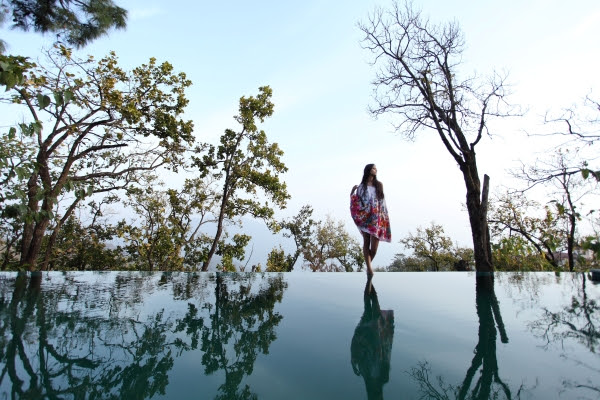
Photo credit: Ananda in the Himalayas
Ananda in the Himalayas (India)
A higher-altitude wellness stay designed for travelers looking for a deeper reset
As travelers place greater value on trips that deliver lasting impact, Ananda in the Himalayas is focusing this summer on longer, more immersive stays, with a seasonal Summer Wellness Offer available from June 1 through July 31, 2026. The program includes savings of up to 40 percent on stays of five nights or more, with fully inclusive pricing that covers accommodation, consultations before and after arrival, personalized therapies, private yoga and meditation sessions, and tailored meals, creating a structured framework for longer, outcome-driven stays.
Set in the Himalayan foothills above Rishikesh, the location naturally lends itself to summer travel. Temperatures are cooler than in much of the region, and the setting feels removed from the intensity of peak-season destinations. Guests follow individualized programs grounded in Ayurveda, yoga, and meditation, often staying for a week or longer to work through specific health and wellbeing goals, from sleep, stress, and burnout to more chronic health conditions such as diabetes or hormonal and metabolic imbalances.
What makes the experience distinct is the sense of structure built into each day, with guided practices and treatments creating a sense of progression over time. As more travelers move away from short trips in favor of something more meaningful, Ananda offers an experience that feels both restorative and purposeful.
This reflects a broader shift toward commitment travel, where time away is designed to deliver lasting results rather than a quick escape.
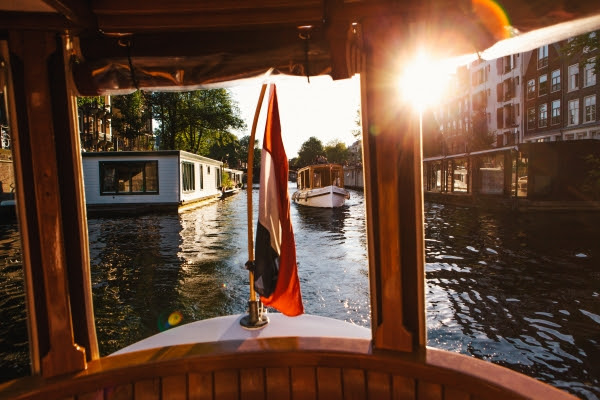
Photo credit: The Dylan Amsterdam
The Dylan Amsterdam (the Netherlands)
A more relaxed way to experience a European city at the height of summer
Summer in European cities can feel increasingly intense, with packed itineraries and crowded streets leaving little room to enjoy being there. The Dylan Amsterdam addresses this with its Unscripted Summer experience, available from June 21 through September 20, designed to slow the pace and create more space in the day.
Located along the Keizersgracht canal, the 41-room hotel feels notably removed from the city once inside. Guests arrive through a gated entrance into a quiet courtyard, creating an immediate sense of separation from the energy of the city outside. This balance between central location and privacy becomes especially valuable during peak season.
At the center of the experience is a private canal boat journey at golden hour, with a three-course menu served on board and curated across three of the city’s leading kitchens. This is paired with a two-night stay in one of the hotel’s luxury rooms, including daily breakfast at Bar Brasserie OCCO, alongside a more flexible framework that encourages exploration. Complimentary bicycles and personalized walking routes provide a sense of direction without overplanning, while a drink in the hotel’s secluded garden offers a quieter moment to return to at the end of the day.
Amsterdam’s mild summer climate and walkable layout support this more relaxed flow, allowing guests to explore without pressure. For travelers rethinking how they approach city travel, this offers a more flexible and manageable alternative. Increasingly, this points to slower city travel, where travelers pull back from overpacked itineraries and allow more space for spontaneity and ease.
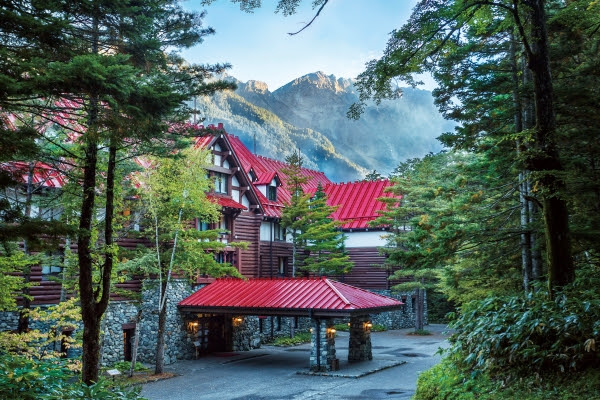
Photo credit: Imperial Hotel, Kamikochi
Imperial Hotel (Japan)
A more balanced way to experience Japan, pairing major cities with a seasonal alpine escape
Japan remains one of the most in-demand destinations, but the pace of travel there is beginning to shift. Instead of moving quickly between cities, travelers are building in time to slow down. The Imperial Hotel portfolio supports this by combining stays in Tokyo, Osaka, and Kyoto with Kamikochi, a mountain resort region in the Japanese Alps that is only accessible during part of the year.
Located at around 1,500 meters, Kamikochi offers a cooler and quieter counterpart to Japan’s major cities. First brought to wider attention in the late 19th century by British missionary Walter Weston, it has since captivated travelers from around the world. At its center is the Imperial Hotel, Kamikochi, which opened in 1933 as Japan’s first mountain resort and remains one of the area’s most iconic stays, with a classic alpine lodge feel and views of the surrounding peaks and river valley. The experience is shaped by the landscape, with walking paths connecting sites such as Kappa Bridge, Taisho Pond, and Myojin Pond. The region welcomes over 1.2 million visitors annually, yet remains carefully managed, with access limited to protect its natural environment and preserve a sense of calm.
Open from mid-April through November 15 this year before closing for winter, Kamikochi brings a strong sense of seasonality to a Japan itinerary. Traveling between major cities and this alpine setting allows for a more balanced and intentional rhythm.
This approach highlights the rise of dual-speed travel, where high-energy exploration is balanced with quieter, more reflective time, allowing travelers to engage more meaningfully with both place and pace.
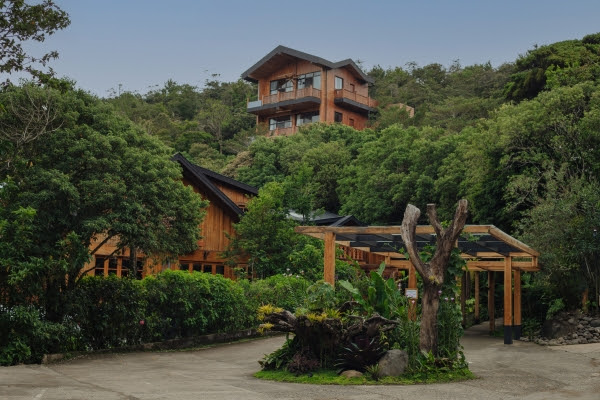
Photo credit: Hotel Belmar
Hotel Belmar (Costa Rica)
A cooler, nature-driven alternative to traditional tropical summer travel
As summer temperatures rise in many coastal destinations, travelers are increasingly looking toward higher-elevation environments that offer a different kind of tropical experience. Hotel Belmar, set in Costa Rica’s Monteverde cloud forest, provides that shift with a naturally cooler climate and a strong connection to nature. The summer months fall within the region’s green season, bringing fewer crowds and a more vibrant landscape. Instead of peak-season congestion, the experience feels slower and more grounded, making it well suited for travelers looking to spend more time in one place.
Longer stays are encouraged through seasonal offers that weave together wellness, guided forest experiences, and the slower cadence of discovery that define Monteverde. Days unfold in close relationship with the cloud forest, from trails winding through the property and immersions at Belmar’s SAVIA reserve to farm-to-table dining supplied by Finca Madre Tierra, the hotel’s regenerative farm.
For travelers rethinking what a summer trip should feel like, Monteverde offers something distinctly different from a beach escape. The combination of cooler weather and deeper immersion creates a more restorative experience overall.
In turn, it underscores growing interest in nature-led travel, where time away is shaped by connection to the environment and a slower, more deliberate approach.