
Planning a Trade Show Booth Around Visitor Intentions
Planning a trade show booth around visitor intentions puts purpose behind the layout. Small design choices influence far more than booth traffic.
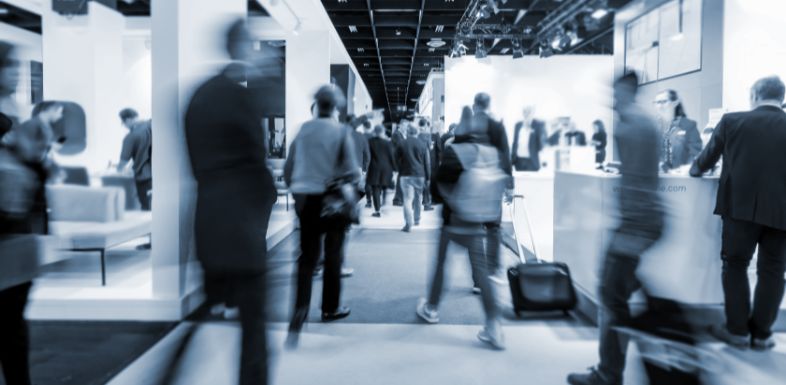
Trade show visitors do not approach every booth with the same goal. Some want a quick explanation, while others are ready to discuss a specific need. Planning a trade show booth around visitor intentions keeps the space focused on how people are likely to engage rather than on how much information the company wants to display. The shift creates a deliberate experience from the aisle onward.
Identify Why People Will Stop
Define the most likely reason someone will enter the booth. A prospect seeking a quick overview needs an immediate, easy-to-understand message from the aisle. By contrast, someone evaluating a purchase needs a clear path toward a deeper conversation. The booth should support that progression without forcing every visitor into the same interaction.
Build the Layout Around Engagement Depth
The physical arrangement should reflect how long conversations are expected to last. Open frontage supports brief exchanges. A quieter interior area suits discussions that require more detail. Decisions about trade show booth size and layout selection should account for the depth of engagement the business expects. A purpose-driven layout reduces congestion and makes each interaction more intentional.
Match Messaging to the Visitor’s Stage
Booth messaging should answer the question a visitor is most likely to have. Someone unfamiliar with the company needs a clear statement of relevance before receiving technical details. A prospect further along in the buying process needs proof that the solution addresses a real concern. Strong messaging moves from clarity to credibility without overwhelming people at first glance.
Make the Next Step Obvious
The next action should be clear without turning every exchange into a hard sell. Early-stage visitors may prefer a simple follow-up option, and qualified prospects may be ready to schedule a meeting. Staff should recognize that difference and guide the conversation accordingly. That approach respects visitor intent while protecting the company’s sales goals.
Prepare Staff for Different Conversations
Even a strong layout loses value when staff use the same pitch with every person. Teams should adjust their opening based on the questions a visitor asks and the time they seem willing to spend. A brief interaction should still deliver a clear takeaway. A longer discussion should uncover the issue behind the interest.
A successful booth does not treat traffic as the only measure of performance. It creates a setting where each visitor has a clear reason to engage or return later. Planning a trade show booth around visitor intentions turns the exhibit into a purposeful business environment. The result is a stronger connection between booth design and the outcomes the company wants from the event.