

Picking the Right Fixtures for Your Public Restroom
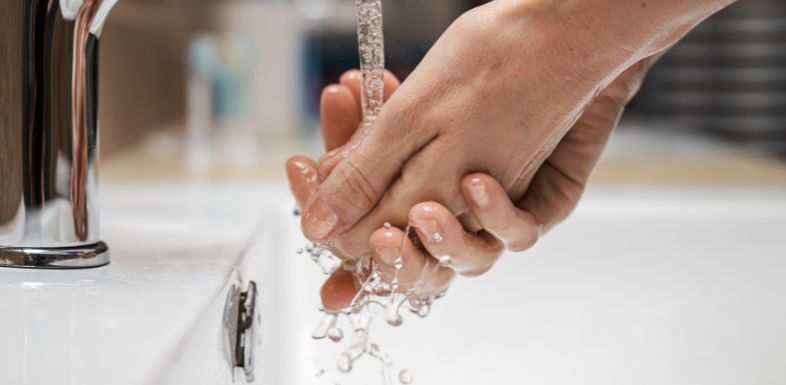
Discover how the right public restroom fixtures can improve cleanliness, boost durability, support access, and simplify daily maintenance for staff.
The right fixtures help your restroom run smoothly throughout the day. They support cleanliness, reduce waste, and improve the experience for guests, employees, tenants, or visitors. You don’t need a luxury setup to make a strong impression. You need fixtures that match your traffic level, layout, and maintenance routine. Here’s how to pick the right fixtures for your public restroom.
Look at Daily Use
Before you choose anything, consider how many people use the restroom each day. A small office restroom has different needs than a busy restaurant, school, gym, or retail store. High-traffic spaces need durable fixtures that can withstand constant use without frequent refills or repairs.
Consider peak times, too. A restroom may seem manageable during slow hours, but lunch rushes, event crowds, or shift changes can create long lines quickly. Toilets, sinks, dispensers, and dryers should support real-world use, not ideal use.
Focus on Durability
Public restroom fixtures endure more wear than residential fixtures. People use them quickly, and not everyone treats them gently. Choose materials that can withstand moisture, cleaning products, and repeated contact.
Stainless steel works well for many dispensers, grab bars, trash receptacles, and partitions because it resists corrosion and is easy to clean. Solid plastic can also work in lower-traffic spaces when the design feels sturdy. Avoid flimsy fixtures that seem affordable upfront but create repair costs later.
Choose Touchpoints Carefully
Touchpoints shape the user experience. Faucets, soap dispensers, flush valves, and hand-drying options can either support cleanliness or create additional mess. Touchless fixtures can help reduce contact and keep traffic flowing, especially in busy restrooms.
Hand-drying deserves close attention. You can choose the right paper towel dispenser by matching capacity, placement, and refill style to your restroom’s traffic. A small dispenser may look neat, but it can run empty too often in a busy space. A larger unit can reduce maintenance trips and keep counters cleaner when staff place trash receptacles nearby.
Plan for Accessibility
A public restroom should feel easy to navigate for as many people as possible. Fixture height, sink clearance, stall space, grab bar placement, and door swing all affect usability. Good planning helps guests move through the restroom without awkward reach, tight turns, or blocked paths.
Accessibility also supports parents with children, older adults, and people carrying bags or mobility aids. When fixtures fit the space well, the whole restroom feels more comfortable.
Think About Maintenance
Your maintenance team should have an easy time refilling, cleaning, and checking each fixture. Complicated dispensers, hidden components, and hard-to-clean surfaces can slow down daily tasks.
Choose fixtures with clear access panels, reliable locks, and surfaces that wipe down quickly. Smart placement also helps. Soap dispensers should sit near sinks, dryers or towel dispensers should sit near exits or handwashing areas, and trash cans should appear where people naturally need them.
Build a Better Restroom Experience
The best public restroom fixtures combine function, durability, and comfort. Each choice should make the space easier to use and easier to maintain. When you match fixtures to traffic, layout, accessibility needs, and cleaning routines, you create a restroom that works better every day. Customers may not praise every fixture, but they’ll remember a restroom that feels clean, simple, and thoughtfully designed.