

Maximizing Durability: Selecting the Right Edgeband Performance for High-Traffic Kitchen Furniture
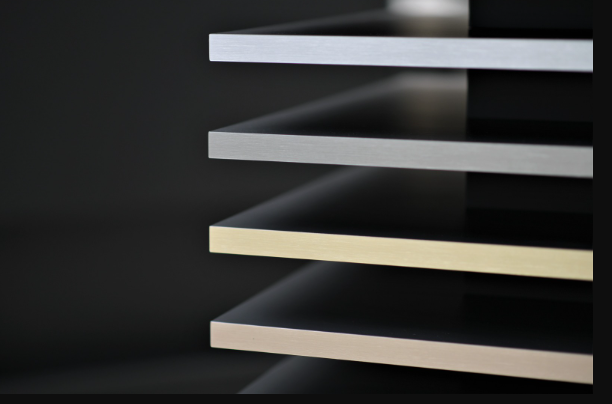
The kitchen is one of the busiest spaces in any home. From frequent opening and closing of cabinets to constant exposure to moisture, heat, grease and daily wear, kitchen furniture is expected to endure far more than just aesthetic demands. While homeowners often focus on the choice of laminates, finishes or hardware, one crucial component that significantly influences the durability and longevity of kitchen furniture is often overlooked – the edgeband.
Edgebands are applied to the exposed edges of furniture panels to protect them from everyday wear and tear while giving furniture a clean, finished appearance. However, not all edgebands are designed to deliver the same level of performance. Broadly, the market offers conventional and high-performance edgebands, each suited to different applications.
For furniture that experiences minimal use, conventional edgebands may be sufficient. Kitchens, however, are high-traffic environments where cabinets and drawers are subjected to repeated impacts, fluctuating temperatures, steam, spills and frequent cleaning. In such demanding conditions, the quality of the board is only one part of the equation—the performance of the edgeband plays an equally important role in determining how well the furniture stands the test of time.
High-performance edgebands are engineered to offer superior resistance to moisture, heat, scratches and everyday wear. One of the key differentiators lies in the manufacturing process itself. Edgebands produced using a sophisticated four-stage colour printing process retain their colour depth and finish even after repeated cleaning with household detergents and disinfectants. This helps prevent colour fading, bleeding or surface dullness over time, allowing kitchen furniture to maintain its original appearance for years.
Daily use also means cabinet edges are constantly exposed to knocks from utensils, cookware and repeated opening and closing. A robust construction with enhanced flexibility and impact resistance enables premium edgebands to absorb these everyday stresses more effectively, reducing the chances of chipping, cracking or edge damage while extending the life of the furniture.
Equally important is the quality of the bond between the edgeband and the panel. A stronger, more consistent grip along the edges helps create a durable seal that minimises moisture ingress, preventing edge lifting, peeling and panel swelling even in areas exposed to steam, splashes and changing temperatures, such as around sinks and cooking zones.
Another important aspect to consider is hygiene and ease of maintenance. Poorly finished or damaged edges can leave tiny gaps where dust, grease and food particles accumulate, making cleaning more difficult over time. Premium edgebands manufactured with high dimensional accuracy and a consistently smooth surface create seamless edges that sit flush against the furniture panel. Besides delivering a refined, high-end appearance, this precision finish leaves fewer crevices for dirt to collect, making kitchen surfaces easier to clean and helping maintain better hygiene.
From a design standpoint, the edge finish is an important element of the overall appearance of furniture. Well-finished edges create a sophisticated, seamless look while maintaining consistency across cabinets, drawers and shelves. As homeowners increasingly invest in modular kitchens designed to last for many years, attention to such construction details has become an important factor in the buying decision.
Therefore, selecting the right edgeband should involve much more than choosing a colour or thickness. Factors such as intended application, expected usage, resistance to moisture and impact, ease of maintenance and long-term durability should all influence the decision. Understanding these performance differences enables furniture manufacturers, designers and homeowners to choose solutions best suited to the demands of each application.
Consumer expectations continue to evolve, and durability is no longer considered an optional feature but a fundamental requirement. Choosing the right edgeband performance is an investment in the appearance, functionality and longevity of kitchen furniture, ensuring it continues to perform reliably in one of the most demanding spaces of the home.