

How To Train Like the Best Golfers in the World
Do you want to hone your golf game like the pros? We can help! Here, we outline how any amateur can train like the best golfers in the world.
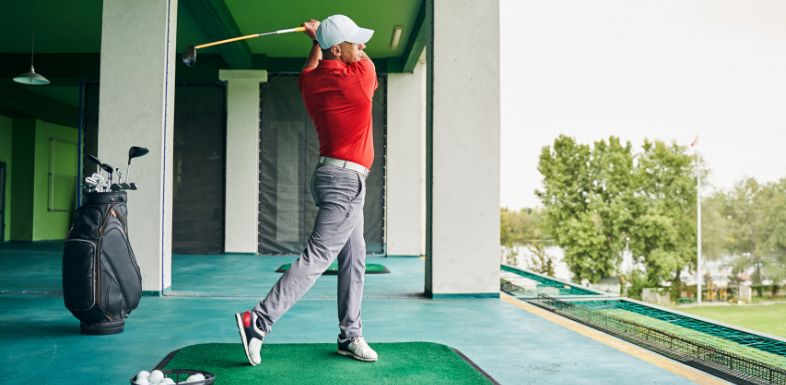
The world’s best golfers do not improve by striking endless balls without direction. They build consistent routines that connect technique, fitness, decision-making, and mental preparation. Recreational players may not have access to a full coaching team, but they can apply the same principles on a smaller scale.
Training like the best golfers in the world depends less on the number of practice hours than on how each session uses those hours. Every drill should address a clear weakness, test a specific skill, or prepare the player for situations that appear during a round.
Practice With Purpose
Elite players divide practice into focused segments rather than repeating the same shot for an entire session. A golfer might work on contact with short irons, change targets for several approach shots, and finish with a putting exercise that creates pressure.
This approach connects practice to performance. Instead of judging success by the number of balls hit, track useful results, such as fairway accuracy, distance control, or putts made from different ranges. These measurements reveal whether a drill produces meaningful improvement.
Train the Body for the Swing
A powerful swing requires more than strong arms. Golfers need mobility through the hips and upper back, stability through the core, and enough balance to control force throughout the motion.
A practical fitness routine can include rotational movements, single-leg exercises, mobility work, and moderate strength training. Players should increase difficulty gradually and protect proper form. A qualified golf coach or medical professional can also help golfers work around injuries or physical limitations.
Use Technology To Create Feedback
If you want to train like the best golfers in the world, you’ll need some technological help. Top players rely on immediate feedback to understand what the ball and club are doing. Launch data, video analysis, and simulated course play can expose patterns that feel invisible during a normal range session.
Indoor systems also make structured practice possible when weather or travel limits access to a course. Masters champion Adam Scott has testified how golf simulator technology supports focused shot practice and realistic course preparation, showing how digital tools can complement physical instruction rather than replace it.
Rehearse Decisions, Not Just Swings
Tournament golf tests judgment as much as technique. Strong players consider distance, wind, hazards, preferred angles, and the likely result of a miss before choosing a club.
Recreational golfers can develop this skill by playing simulated holes, changing targets on the range, or imagining a specific course situation before each shot. This method turns practice into problem-solving and discourages careless repetition.
Build a Repeatable Routine
Consistency grows through manageable habits. A useful weekly schedule might combine one technical session, one short-game session, one fitness workout, and one round focused on decision-making.
The central lesson from golf training is simple: improvement comes from deliberate work. Players who measure results, train their bodies, rehearse pressure, and review their decisions can practice with the same discipline as the game’s leading competitors.