

How To Make Sewer Inspection Jobs More Efficient
Make sewer inspection jobs more efficient with smarter preparation, equipment care, consistent workflows, and better documentation in the field.
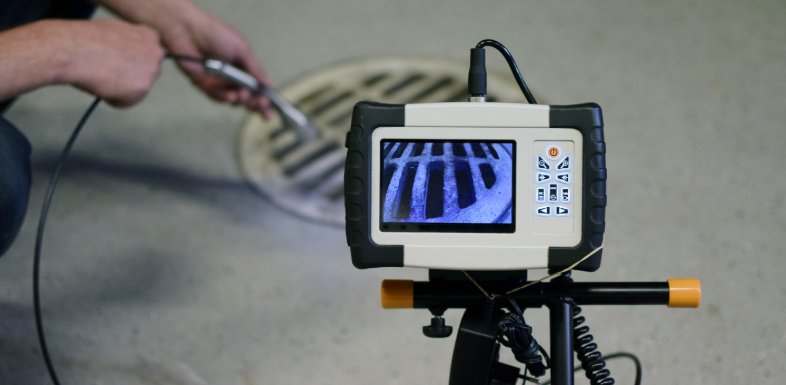
Sewer inspections may not always happen under ideal conditions. Crews may have to work around traffic, tight access points, aging infrastructure, stubborn debris, and schedules that leave little room for delays. When one small problem slows an inspection, the effects can ripple through the rest of the workday.
Efficiency, however, doesn’t mean rushing a camera through a pipe as quickly as possible. A quick inspection that misses a defect or produces unclear footage can create more work later. Instead, efficient sewer inspections combine preparation, reliable equipment, consistent procedures, and accurate documentation.
Learning how to make sewer inspection jobs more efficient can help crews spend less time troubleshooting and more time collecting useful information. The following strategies can streamline the process without sacrificing inspection quality.
Gather Job Information Before Arriving
Crew members can lose valuable time when the first step at the jobsite is figuring out what they’re dealing with. So collect as much information as possible before leaving for the job. Useful details include pipe diameter and material, approximate line length, known access points, previous inspection findings, and the reason for the current inspection. Reviewing available maps or previous service records may reveal unusual bends, connections, or trouble spots. Knowing whether you’re investigating recurring backups, suspected root intrusion, or a damaged lateral can also influence equipment choices.
Create a Repeatable Pre-Job Checklist
Experienced operators know their equipment, but familiarity can make skipping basic checks tempting. A short checklist makes preparation consistent, regardless of who is handling the job. Before departure, crews can confirm that:
· Camera and monitor systems power on correctly
· Batteries and backups are charged
· Push cables are free of obvious damage
· Locators and sondes communicate properly
· Storage media has enough available space
· Necessary guides, skids, cables, and accessories are packed
· Cleaning and safety supplies are on the vehicle
A five-minute check at the shop can prevent a much longer interruption in the field.
Organize the Vehicle Around the Workflow
Efficiency starts before anyone opens a manhole or cleanout. When cameras, locators, gloves, cleaning supplies, and accessories all have designated storage locations, crews can find what they need immediately.
Consider organizing equipment according to the order in which operators typically use it. Frequently needed items should remain easy to reach, not sit behind equipment that must be unloaded first. Returning each item to the same location after the job also makes inventory checks easier and reduces the chance that an important accessory remains behind at a site.
Set Up a Clean, Controlled Work Area
A little organization at the inspection point can prevent tangled cables, dirty equipment, and unnecessary movement. When possible, place the reel where the operator has a direct path to the access point. Keep the monitor positioned where glare won’t make the image difficult to interpret, and arrange accessories within reach.
Cable management deserves particular attention. A push cable that repeatedly snags on equipment, vehicle tires, or surrounding objects wastes time and can sustain unnecessary damage. Keeping the immediate work area clear also gives operators more room to maneuver safely and makes packing up equipment quicker once the inspection is complete.
Match the Equipment to the Pipe
Not every sewer line calls for the same setup. Camera size, push-cable length, skids, sondes, and locating equipment should match the pipe and inspection conditions. For example, a poorly centered camera may produce footage that’s harder to interpret. The wrong cable can make navigating a long run or multiple bends unnecessarily difficult. Likewise, incompatible locator and sonde frequencies can turn a straightforward locate into a frustrating troubleshooting exercise.
Choosing equipment intentionally reduces the need to stop halfway through a job and change the setup.
Keep Cameras and Locators Ready for Work
Equipment problems can be especially expensive when they appear after an inspection has already started. Camera heads, cables, reels, and electrical components routinely encounter moisture, grime, abrasion, and physical stress. Preventive care helps crews avoid delays caused by cloudy lenses, damaged cables, weak batteries, dirty connections, or unreliable locating equipment.
Build basic cleaning and inspection into the end of every job. Useful habits include cleaning the camera head and lens, examining the push cable for wear, checking electrical connections for moisture, and testing batteries and locator components. Consistent maintenance for sewer cameras and locator tools keeps systems prepared for the next inspection.
Record Important Findings as They Happen
Trying to remember every crack, root intrusion, offset joint, or blockage after retrieving hundreds of feet of cable invites mistakes. Document important findings during the inspection. Depending on the equipment and reporting system, operators might add on-screen text, voice notes, timestamps, distance measurements, or digital markers.
Use consistent terminology as well. If every crew member describes the same condition differently, reports become harder to search and compare.
Detailed notes also make post-inspection reporting faster. Instead of replaying an entire recording to locate one questionable section, the operator can jump directly to documented points of interest.
Minimize Unnecessary Camera Passes
Sometimes a second camera pass is necessary, particularly when the first inspection reveals an obstruction. Unnecessary repeat passes, however, consume time. Operators can reduce them by moving deliberately on the initial run. Maintain a pace that allows the camera to capture useful footage, pause at important defects, and record measurements immediately. If something looks questionable, inspect it while the camera is already there. Moving another 50 feet down the line and then realizing you need a closer view creates avoidable backtracking.
Make Efficiency a Crew-Wide Habit
The most effective workflow is one that everyone understands. Crew members should know where equipment belongs, how to document inspections, what they need to check before departure, and how they should clean tools after use. Turning these steps into consistent, everyday practices makes sewer inspection jobs more efficient than simply pushing to work more quickly.
A well-prepared crew should arrive with the right equipment and be able to set up quickly, gather clear footage, document problems accurately, and move smoothly to the next assignment. These improvements may save only a few minutes at individual stages, but across an entire schedule, those minutes can become hours of productive time.