
Water Testing for Health and Safety: What the Results Mean
Clean and safe drinking water is essential for maintaining human health and overall well-being. Despite its importance, water quality cannot always be judged by appearance, taste, or smell. This is why regular water testing is crucial—it helps identify hidden contaminants and prevents potential health risks before they become serious problems.
The Need for Regular Water Testing
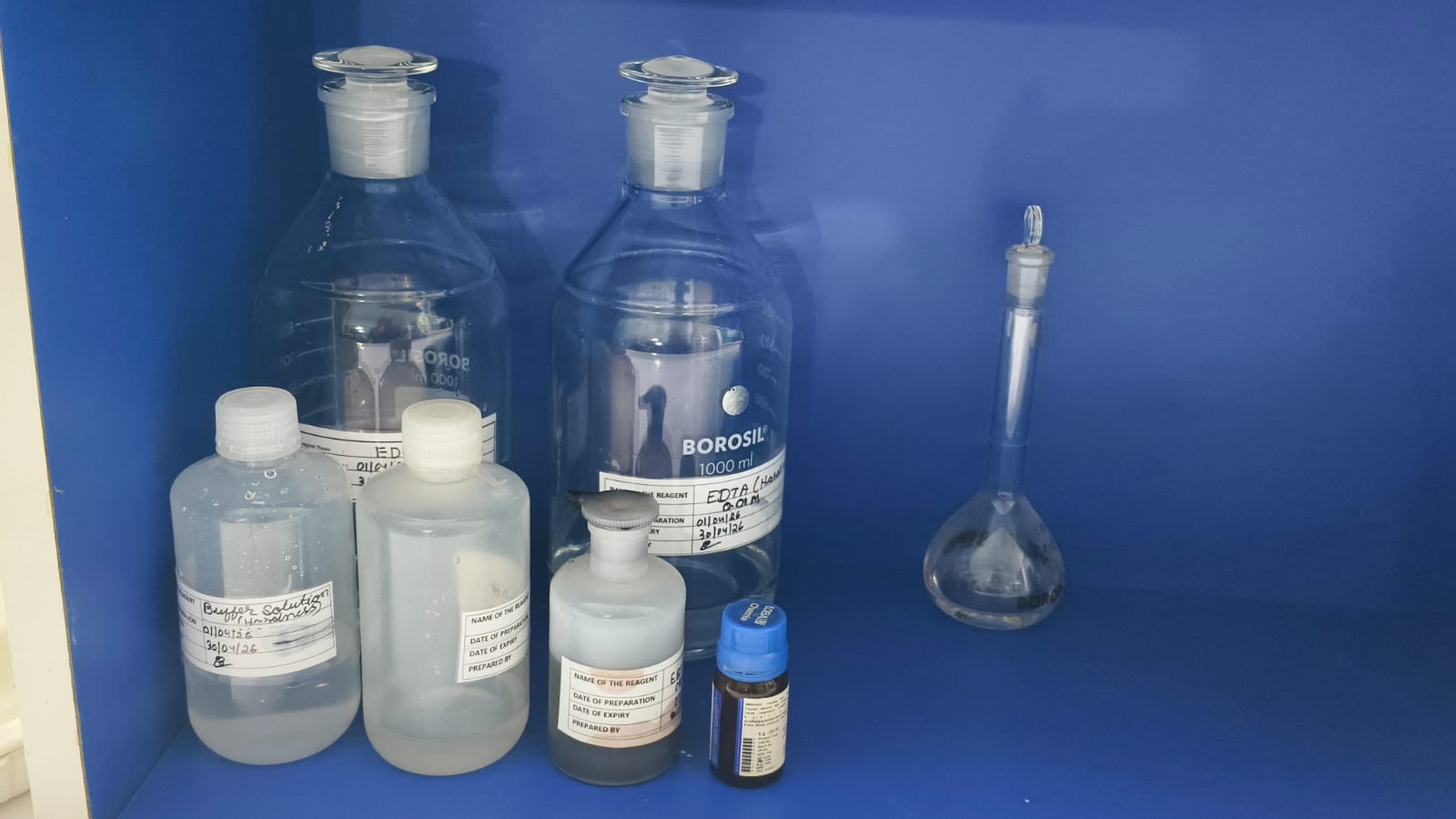
In this water testing lab report, it is important to understand that water can become contaminated through various pathways, including natural mineral deposits, agricultural runoff, industrial discharge, and aging distribution systems. Many harmful substances—such as bacteria, heavy metals, and chemical pollutants—are not visible and cannot be detected by taste or odor. Therefore, regular water testing is essential to identify these contaminants at an early stage and enable timely corrective measures.
This aspect is especially significant for households that depend on private water sources such as wells. Unlike municipal water supplies, which are routinely monitored, private sources may not be subject to regular quality checks. As highlighted in this water testing lab report, individuals must take responsibility for testing and maintaining the safety of their water to ensure it is suitable for consumption.
Types of Water Contaminants
Water contamination generally falls into three main categories:
- Biological contaminants: These include microorganisms such as bacteria, viruses, and parasites. They often enter water through sewage, animal waste, or environmental exposure and can cause illnesses ranging from mild stomach discomfort to severe infections.
- Chemical contaminants: These involve substances like heavy metals (lead, arsenic, mercury), pesticides, and industrial chemicals. Long-term exposure can lead to serious health conditions, including organ damage, hormonal imbalance, and increased cancer risk.
- Physical contaminants: These include visible particles such as sediment, rust, and debris. While not always harmful on their own, they may indicate issues within the water supply system and affect water quality.
Methods of Water Testing
There are two primary ways to test water quality:
- Home testing kits: These are simple and convenient tools that allow users to check for common contaminants such as pH levels, bacteria, and certain chemicals. While useful for routine checks, they may not provide a complete analysis.
- Laboratory testing: Professional testing offers a more thorough evaluation. Water samples are analyzed using advanced techniques to detect a wide range of contaminants with higher accuracy.
Proper sample collection is essential in both methods to ensure reliable results.
Understanding Test Results
Interpreting water test results helps determine whether water is safe for consumption:
- pH level: Indicates how acidic or alkaline the water is. A balanced range is typically considered safe.
- Turbidity: Reflects water clarity. High turbidity may signal contamination.
- Contaminant levels: Specific substances have recommended safety limits. Exceeding these levels may require immediate action.
Understanding these indicators enables informed decisions about water safety.
Health Risks of Contaminated Water
Drinking contaminated water can have both immediate and long-term health effects. Short-term exposure may cause symptoms such as nausea, diarrhea, and stomach pain. These effects can be especially dangerous for children, older adults, and individuals with weakened immune systems.
Long-term exposure to harmful substances can result in chronic health problems, including neurological damage, organ failure, and developmental issues. In some cases, it may also increase the risk of serious diseases.
Responding to Water Contamination
If testing reveals unsafe water conditions, several steps can be taken:
- Installing appropriate water filtration systems to remove specific contaminants
- Boiling water to eliminate harmful microorganisms during emergencies
- Seeking guidance from local authorities or professionals for further action
Taking immediate steps helps reduce potential health risks and ensures safer water usage.
Water Quality Standards and Safety
Water safety is maintained through established guidelines that define acceptable levels of contaminants. These standards help ensure that water remains safe for consumption and are periodically updated to reflect new findings and environmental conditions. Adhering to these guidelines is essential for protecting public health.
Preventative Measures
Maintaining water quality requires ongoing effort. Some effective preventive measures include:
- Testing water regularly
- Maintaining water systems and storage facilities
- Avoiding contamination near water sources
- Promoting community awareness and responsible practices
Preventive action is key to ensuring long-term water safety.
Conclusion
Water testing is a vital practice that protects individuals and communities from the dangers of contaminated water. By staying informed, testing regularly, and taking appropriate action when needed, it is possible to ensure a safe and reliable water supply. Clean water is not just a necessity—it is a foundation for a healthy life.
