
Geopolitical Tensions and Rising Energy Prices Challenge Global Markets; India’s Economy Shows Resilience
Mar 24: The global economy entered March 2026 facing heightened geopolitical tensions in West Asia, triggering sharp increases in crude oil prices and creating volatility across financial markets. Crude oil surged above US$100 per barrel, driven by disruptions around the Strait of Hormuz, a key transit route for global oil and LNG supplies. This energy shock has caused a broad-based re-pricing of risk, with equities correcting and emerging market currencies, including the Indian rupee, coming under pressure.
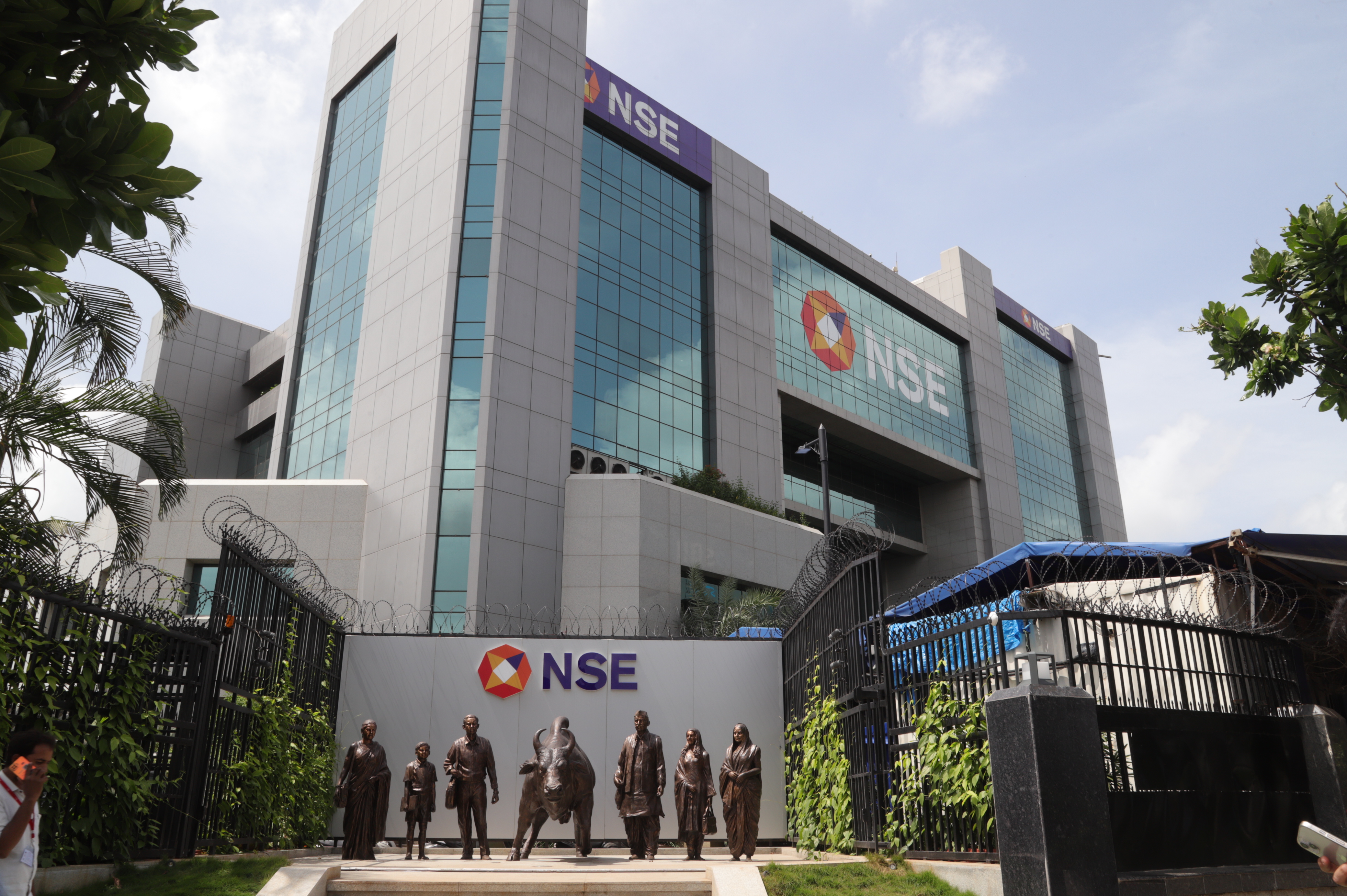
Indian equities opened the month on a cautious note following the Union Budget, and the escalation of geopolitical tensions further accelerated market corrections. The Nifty 50 declined 8.1% in March, while broader market indices showed resilience, supported by domestic institutional investors, who contributed net inflows of Rs 38,423 crore in February, extending their buying streak to 31 months.
Global fixed income markets performed well in February amid softer inflation, while Indian bond yields eased slightly at the short end, despite a large FY27 borrowing programme affecting long-term yields. Rising crude prices pose potential inflationary pressures and may widen India’s current account deficit, but domestic fundamentals remain strong.
India’s GDP growth remained robust at 7.8% YoY in Q3FY26 and 7.7% for the first nine months, underpinned by broad-based strength across consumption, investment, and services. High-frequency indicators such as GST collections, tractor sales, bank credit, and PMI readings continue to signal resilience.
The revised GDP series with a new base year of 2022–23 highlights structural shifts in the economy, including increased contributions from agriculture and manufacturing, while services continue to anchor growth. Nominal GDP for FY26 is estimated at Rs 345 lakh crore, with per capita income around Rs 2.4 lakh and household savings rising to 34.3%.
Market activity in FY26 shows strong primary market participation, with nearly 100 mainboard IPOs raising Rs 1.7 lakh crore and further issuances raising Rs 2.4 lakh crore. NSE’s registered investor base has expanded to 12.8 crore by February 2026, reflecting deepening market participation, though trading activity remains concentrated among large participants.
As March unfolds, global energy and geopolitical developments continue to influence market dynamics. While India’s domestic economy remains resilient, the near-term trajectory will depend on the duration of the current geopolitical and energy shocks.
