
Cabinet Approves Rs.2,584 Crore Small Hydro Power Scheme to Boost Clean Energy
The Union Cabinet, chaired by Prime Minister Narendra Modi, has approved the Small Hydro Power (SHP) Development Scheme for the period 2026–27 to 2030–31. The scheme has a total outlay of ₹2,584.60 crore and aims to install small hydro power projects with a combined capacity of around 1,500 MW.
The initiative focuses on promoting small hydro projects with capacities between 1 MW and 25 MW across the country. It is expected to significantly benefit hilly regions and North Eastern states, where there is high potential for such projects.
Under the scheme, enhanced financial support will be provided to projects in North Eastern states and districts along international borders. These areas will receive central assistance of up to ₹3.6 crore per MW or 30 percent of the project cost, whichever is lower, subject to a maximum of ₹30 crore per project. In other states, assistance will be up to ₹2.4 crore per MW or 20 percent of the project cost, capped at ₹20 crore per project.
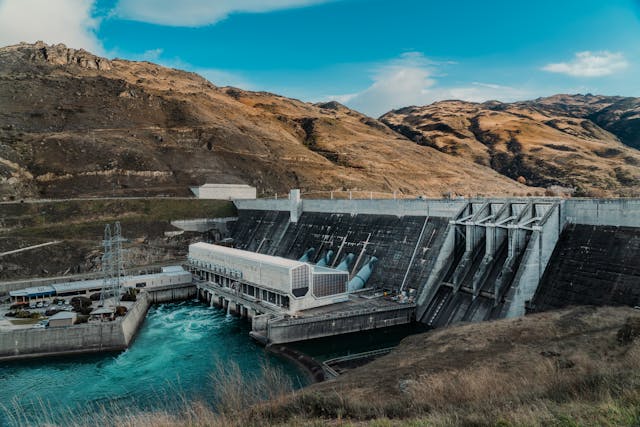
Out of the total allocation, ₹2,532 crore has been earmarked for project development. The scheme is expected to attract investments of around ₹15,000 crore in the sector, boosting clean energy capacity and driving development in remote and rural regions. It will also support domestic manufacturing, with 100 percent of plant and machinery expected to be sourced within the country, aligning with the Atmanirbhar Bharat initiative.
Additionally, ₹30 crore has been allocated to support state and central agencies in preparing detailed project reports (DPRs) for approximately 200 future projects. This is aimed at creating a strong pipeline for continued growth in the small hydro sector.
The scheme is projected to generate about 51 lakh person-days of employment during the construction phase, along with long-term jobs in operation and maintenance. Since these projects are decentralized, they require minimal transmission infrastructure, reducing energy losses.
Officials said the initiative will help revive the small hydro power sector and accelerate the use of untapped potential. SHP projects are considered environmentally sustainable as they involve limited land use, minimal deforestation, and low displacement of communities. With a typical lifespan of 40 to over 60 years, these projects are also expected to contribute to long-term socio-economic development in remote areas.
