

The Pros and Cons of Purchasing Secondhand Tires
Secondhand tires can lower replacement costs, but condition, age, and safety matter. Learn the key benefits, drawbacks, and inspection tips before buying.
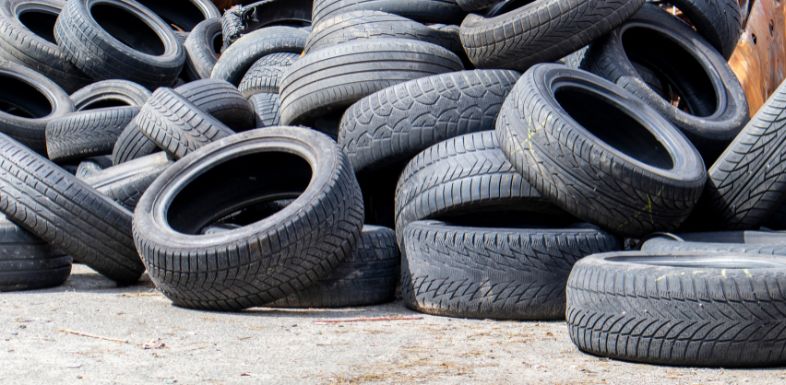
Replacing tires can become expensive, especially when several need attention at the same time. For drivers working within a limited budget, secondhand tires may seem like a practical alternative to purchasing a brand-new set.
A secondhand tire has already spent part of its service life on another vehicle. Its condition depends on how the previous owner drove, stored, maintained, and repaired it. That history can create value for one buyer and risk for another.
Below, we’ll outline the pros and cons of secondhand tires to consider before purchasing them.
The Advantages of Purchasing Secondhand Tires
Lower Upfront Cost
Price remains the main attraction for many shoppers. A secondhand tire may cost substantially less than a comparable new tire, which can help when a sudden puncture, sidewall issue, or blowout occurs.
This can be especially useful when only one tire needs replacement. Drivers may hesitate to purchase an entire new set when the remaining tires still have usable tread. A compatible secondhand tire can sometimes bridge that gap without creating the same financial burden.
Access to Discontinued or Hard-To-Find Sizes
Some vehicles use tire sizes that are less common than those found on newer models. Older vehicles, specialty trims, and certain wheel packages may require sizes that local retailers do not consistently stock.
The secondhand market can expand the search. A used tire in the correct size, load rating, and speed rating may provide a practical solution when a matching new tire is difficult to locate.
Reduced Material Waste
Extending the usable life of a tire can also reduce waste. If a tire still has safe tread, intact sidewalls, and no serious structural damage, putting it back into service may delay its entry into the waste stream.
That does not mean every used tire deserves another life on the road. Tires with severe cracking, exposed cords, questionable repairs, or advanced age should leave service regardless of how much tread remains.
The Drawbacks of Purchasing Secondhand Tires
Limited Knowledge of the Tire’s History
While there are certainly many pros to purchasing second tires, there are also some cons to consider. The biggest challenge involves uncertainty.
A new tire comes with no driving history. A secondhand tire may have traveled thousands of miles under conditions the next owner cannot verify. Previous drivers may have run it at low pressure, overloaded it, struck potholes, or driven after a puncture.
There are many things to know before buying used tires, such as their tread depth, tire age, and any previous repairs. Some damage may remain visible. Other damage can hide inside the tire’s internal structure.
Shorter Remaining Service Life
Secondhand tires have already used part of their tread and calendar life. Even a tire that looks relatively fresh may provide fewer miles than a new replacement.
Tread depth gives one useful measurement, but it does not tell the full story. Rubber compounds change as tires age. Heat, sunlight, storage conditions, and environmental exposure can affect the material over time.
Drivers should therefore consider both tread and age when estimating value. A tire with substantial tread but an older manufacturing date may not provide the same long-term value as a newer tire with similar depth.
Uneven Wear Can Affect Performance
Tires develop wear patterns based on alignment, inflation, suspension condition, rotation habits, and driving style. A secondhand tire may carry those patterns to a different vehicle. For example, one edge may show greater wear than the center, or the tread may display cupping caused by suspension problems on the previous vehicle.
Uneven wear can affect ride quality, traction, and remaining tread life. It may also make it harder to match the tire with others already installed on the vehicle.
What To Check Before Purchasing Secondhand
Confirm the Correct Size and Ratings
Start with the tire sidewall.
The size should match the vehicle’s requirements, and the load index and speed rating should also meet the manufacturer’s specifications. Mixing incompatible tires can affect handling and vehicle stability.
Drivers should also pay attention to tire type. A performance tire, winter tire, and all-season tire may share similar dimensions while delivering very different handling characteristics.
Inspect the Tread Carefully
Tread depth directly affects traction, particularly on wet roads.
Check the tire in several locations because wear may not be uniform across the surface. Look for shallow areas, bald spots, cuts, embedded objects, and unusual patterns.
The tread should also appear even from one side of the tire to the other. Significant differences can indicate alignment or suspension problems from the tire’s previous use.
Look for Sidewall Damage
The sidewall deserves close attention because structural damage in this area can create serious safety concerns.
Avoid tires with bulges, exposed cords, deep cuts, or extensive cracking. A bulge can indicate internal damage, while exposed reinforcement material suggests that the tire’s structure has been compromised.
Check the Manufacturing Date
Every tire carries a date code that identifies the date of its manufacture. Drivers can use this code to estimate the tire’s age.
Age matters because rubber changes over time even when the tread appears healthy. A lightly used tire that spent years sitting in storage may still have experienced material degradation.
Ask About Repairs
Some repaired tires can remain serviceable when technicians complete the repair correctly, and the damage occurs in an appropriate area. Other repairs should raise concerns.
Damage near the sidewall or shoulder can present greater risk than a small puncture in the central tread area. Multiple repairs may also reduce confidence in the tire’s remaining service life.
When a Secondhand Tire May Make Sense
A secondhand tire may work well for a driver who needs a temporary replacement, owns an older vehicle, or finds a lightly used tire in excellent condition at a reasonable price. It can also make sense when the tire closely matches the remaining tires on the vehicle in size, type, wear level, and performance characteristics.
The strongest case involves a tire with clear condition information, sufficient tread, no major damage, and a reasonable manufacturing date.
When a New Tire May Be the Better Choice
A new tire may provide better value when a driver expects to keep the vehicle for several more years, drives long distances, or wants predictable service life. New tires also remove much of the uncertainty surrounding previous use.
Drivers who cannot confidently inspect a secondhand tire may also prefer a new replacement. The lower purchase price of a used tire matters less if uncertainty creates additional risk or leads to another replacement soon afterward.
Making a Balanced Decision
Secondhand tires can offer real advantages, particularly when cost and availability matter. They can also introduce uncertainty that buyers should not ignore.
The smartest decision depends on the individual tire rather than the label. Condition, age, tread depth, compatibility, and repair history all deserve attention.
Taking time to examine the details helps drivers decide whether the savings justify the remaining life and condition of the tire.