The hidden truth behind everyday cleaning products
August 11, 2026
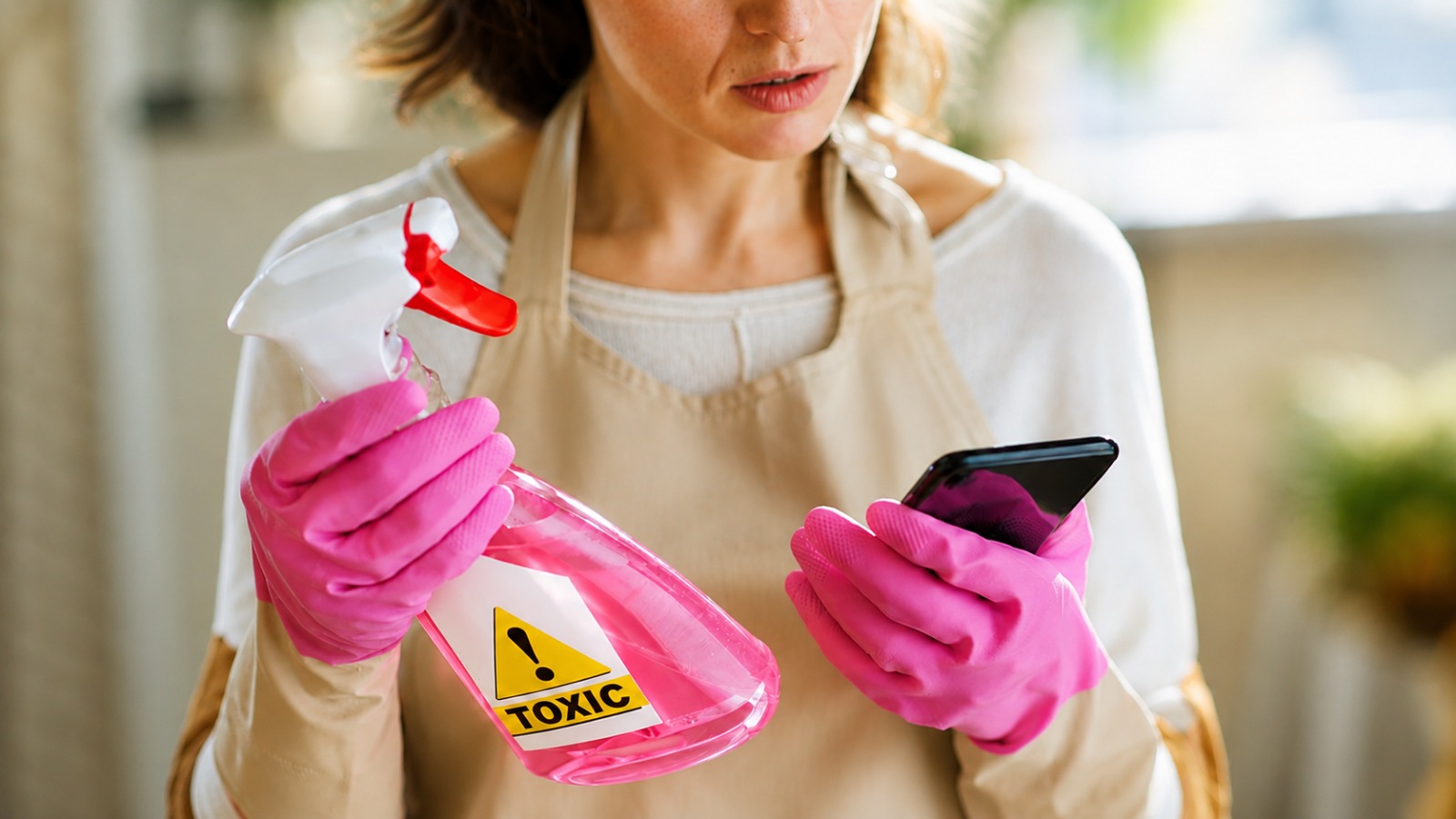
In today’s times, the consumer behaviour at a supermarket has seen a remarkable shift. Shoppers routinely turn over food packages to read ingredient lists, compare nutritional information and question additives, preservatives and artificial colours before making a purchase. Over the last decade, food has become synonymous with ingredient transparency. Consumers want to know what they are eating, where it comes from and what impact it has on their health. However, while we have become vigilant about what goes into our bodies, we have paid surprisingly little attention to what enters our homes. Laundry detergents, dishwashing liquids, floor cleaners and other household products are used every single day. They come into contact with our clothes, our utensils, our kitchens and the surfaces our families touch most often. Yet, unlike food, very few consumers pause to ask what these products contain or why certain ingredients are used.
What makes this gap even more pronounced in India is that, unlike packaged food products, the home care products do not disclose their full ingredient lists on the back of the pack. Consumers are often provided with only limited information, making it difficult to understand exactly what goes into theproducts they use every day. This lack of transparency becomes even more relevant when compared with several international markets, where ingredient disclosure is more common and consumers have greater visibility into product formulations. Perhaps the most intriguing example of this is that the same multinational brand can sell the same product in different countries with different formulations. While these variations are often driven by local regulations, consumer preferences, water quality, manufacturing practices and sustainability standards, they also reveal an important truth which is that the formulations are not set in stone. They evolve based on what markets demand and what consumers expect. A European Commission-led study comparing household products across 20 EU countries found that 8% of products with identical packaging had different declared ingredients, demonstrating that formulations can vary even when products appear identical.
The home care industry itself is undergoing rapid transformation. According to S&P Global’s 2025 Chemical Economics Handbook, global consumption of household cleaning products containing surfactants is expected to grow at an average annual rate of 3.5% between 2025 and 2030, with Asia particularly India driving much of this growth. At the same time, the conversation is moving beyond cleaning performance towards ingredient transparency, sustainability and environmental responsibility. Despite these encouraging trends, ingredient literacy in home care remains significantly lower than in food. We still evaluate detergents based on fragrance, stain removal or advertisements instead of understanding the chemistry behind the bottle.
The food industry did not become transparent overnight. It evolved because consumers demanded better information, regulators responded and brands recognised that openness builds trust. Home care now stands at a similar crossroads. The future of home care will belong to brands that embrace transparency, invest in responsible innovation and empower consumers to make informed choices. After all, if the same brand can have different formulas in different countries, perhaps the more important question is not why the formulas differ but whether consumers everywhere deserve the same level of information about theproducts they use every single day.