

How To Start Error-Proofing Automotive Manufacturing
You can prevent errors every day. Don’t overlook these essential steps if you want to learn how to start error-proofing automotive manufacturing
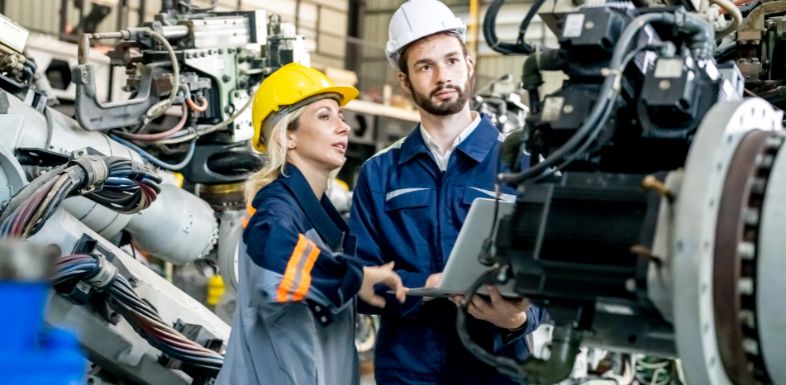
In automotive manufacturing, even a small mistake can create delays, extra costs, and quality concerns that ripple through an entire production line. A connector placed in the wrong location or a missed inspection step can lead to rework that consumes valuable time. That’s why error-proofing has become a major focus for manufacturers across the industry. Follow our guide to learn how to start error-proofing automotive manufacturing.
Understand Where Mistakes Occur
The first step toward error-proofing is identifying the areas where errors appear most frequently. Every production line has tasks that require extra attention, especially those involving repetitive actions or multiple components. For example, an employee may need to install several connectors that look nearly identical at a glance.
Production data and employee feedback can help reveal patterns. Once those trouble spots become clear, teams should focus their efforts where they’ll have the greatest impact. A targeted approach usually delivers better results than broad changes across the entire facility.
Use Simple Error-Proofing Devices
Comparing the pros and cons of modular connector systems for cars requires a closer look at risk of assembly errors. Simply put, choosing the right parts greatly reduces errors on-site. Many successful error-proofing solutions are surprisingly straightforward. Physical guides, alignment pins, and connector designs that fit only one way can prevent incorrect assembly before it happens. These tools help employees complete tasks correctly without relying entirely on memory.
Consider an automotive connector that locks into place only when positioned correctly. That design reduces the chance of an incorrect installation and speeds up verification. Small design improvements like this can deliver noticeable gains across thousands of production cycles.
Train Employees and Encourage Feedback
Technology and tools play a role in error reduction, but people remain at the center of the process. Training helps employees understand quality expectations and recognize potential issues before they reach the next stage of production. At the same time, employees who work directly with equipment every day can provide valuable insight. They frequently spot inefficiencies or recurring challenges before management notices them. Open communication creates opportunities for practical improvements and stronger quality outcomes.
Focus on Continuous Improvement
Error-proofing is not a one-time project. Production lines evolve, vehicle designs change, and new components enter the process. Regular reviews help manufacturers adapt and maintain high standards over time.
Track quality metrics, evaluate production data, and look for trends that suggest new opportunities for improvement. Even small adjustments can contribute to smoother operations and fewer defects. With a steady commitment to improvement, manufacturers can build a culture focused on accuracy, efficiency, and reliability.
Understanding how to start error-proofing automotive manufacturing is easier than you may expect. Remember that automotive manufacturing demands precision from start to finish. By identifying problem areas, standardizing procedures, introducing practical safeguards, and investing in employee knowledge, companies can reduce costly errors and strengthen product quality. Take time to evaluate your current production processes and look for one area where error-proofing can begin today.