
India’s Heritage Sites Attract Film Shoots and Foreign Tourists, Boosting Eco-Tourism Growth
India’s iconic heritage monuments are emerging as popular destinations for film shootings and international tourism, reflecting a growing blend of culture, cinema, and sustainable travel promotion across the country.
Among the most prominent examples is the UNESCO World Heritage Site Qutub Minar, which has recently witnessed a rise in film shoots, documentary productions, and visual storytelling projects. The monument’s architectural grandeur and historical significance continue to attract filmmakers seeking authentic backdrops for cinema and digital content.
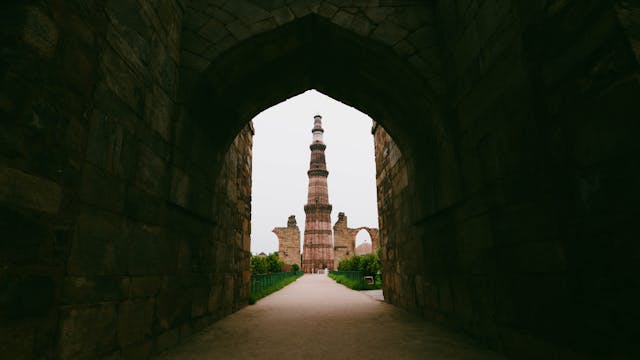
Pic Credit: Pexel
Tourism officials report that increased media exposure and cinematic visibility of heritage sites have contributed to a steady rise in foreign tourist arrivals. International visitors are showing greater interest in India’s cultural landmarks, history, and architectural heritage, with sites like Qutub Minar becoming key attractions in travel itineraries.
Experts say this growing trend is not only boosting tourism but also strengthening India’s cultural and eco-tourism ecosystem. By promoting responsible tourism practices, authorities aim to ensure that heritage conservation goes hand in hand with visitor engagement and economic development.
The government and tourism bodies have been encouraging controlled film shootings at protected monuments under strict guidelines to ensure that heritage structures are not damaged. These initiatives are designed to balance creative use of historical sites with long-term preservation.
Tourism stakeholders believe that film shoots play a major role in global destination branding. When Indian monuments appear in films, documentaries, or digital media, they generate international curiosity and encourage more foreign travelers to explore these destinations in person.
Alongside cultural tourism, eco-tourism efforts are also being strengthened. Sustainable travel practices such as regulated visitor flow, improved cleanliness standards, and awareness campaigns are being implemented at major heritage sites to reduce environmental impact.
Officials note that this integrated approach—combining heritage conservation, film tourism, and eco-friendly travel—supports local employment, boosts small businesses, and enhances India’s global tourism profile.
With rising international interest and increasing creative use of historical sites, India’s heritage monuments are evolving into dynamic cultural spaces that connect history, cinema, and sustainable tourism.
