What Happens to Solar Panels When They Wear Out
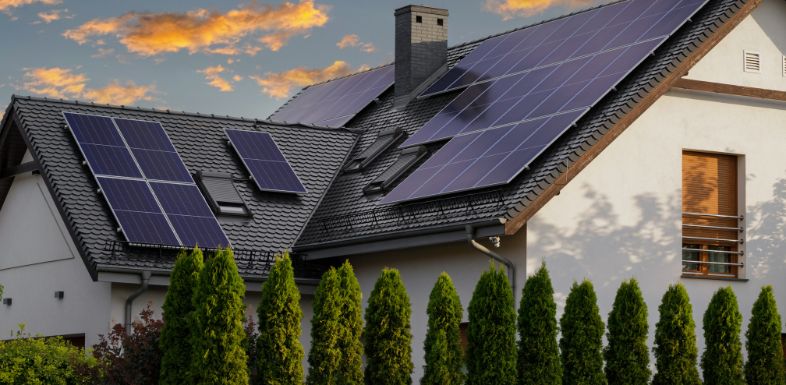
As solar panels age, efficiency drops, and components degrade over time. Understand lifespan expectations, warning signs, and recycling options.
Solar panels quietly generate electricity for decades. They sit on rooftops, absorb sunlight, and reduce reliance on fossil fuels. Yet many homeowners and environmental advocates eventually wonder what happens when solar panels wear out. Panels do not stop working overnight. Instead, they lose efficiency gradually.
Understanding what comes next helps you plan responsibly.
How Long Do Solar Panels Really Last?
Most modern solar panels typically degrade by approximately 0.5 to 0.8 percent annually. This results in the system functioning at about 80 percent capacity after 25 years, which is often reflected in performance warranties. Factors like weather, installation quality, and maintenance practices affect how long the panels last.
Conditions such as hail, extreme heat, and faulty wiring can speed up deterioration. Nonetheless, regular inspections and timely repairs can help prolong their useful life. Eventually, when efficiency drops too much, replacing the panels becomes more practical than continuing to operate them.
Do Worn Panels Become Waste?
Solar panels contain valuable materials such as glass, aluminum, silicon, copper, and small amounts of silver. They also include trace metals and specialized polymers. When panels reach the end of their useful life, disposal decisions matter.
If you send panels to landfills, you waste recoverable materials and create unnecessary environmental strain. Although panels contain lower levels of toxic substances than some electronics, responsible handling protects soil and groundwater.
Therefore, planning prevents future waste problems.
The Role of Recycling Programs
Many regions now invest in recycling solar panels to recover valuable components. Recycling facilities separate aluminum frames, glass layers, and semiconductor materials. Manufacturers can reuse recovered materials in new panels or other products.
The International Renewable Energy Agency projects that solar panel waste could reach millions of tons globally by 2050. That projection highlights the importance of scaling recycling infrastructure alongside renewable energy growth.
Recycling reduces the extraction of raw materials and lowers manufacturing demand for virgin resources. As adoption increases, industry innovation continues to improve recovery rates and processing efficiency.
What Actually Happens During Recycling?
Facilities follow several steps when processing old panels:
• Remove the aluminum frame and junction box
• Separate glass from internal layers
• Extract silicon cells and conductive metals
• Process residual materials for reuse or safe disposal
These steps recover most of the panel’s mass. Engineers continue to refine techniques to increase recovery rates and reduce energy use during processing.
Can You Repair or Repurpose Panels?
Before replacing a system, evaluate whether repairs are a viable option. Technicians can replace inverters, wiring, or mounting components without discarding the panels themselves. In some cases, panels with reduced efficiency still work well for off-grid projects, sheds, or small-scale charging systems.
Repurposing extends usable life and delays disposal. Community organizations and educational programs sometimes accept functioning older panels for demonstration or training purposes.
Environmental Impact and Long-Term Planning
Solar energy remains one of the lowest-carbon electricity sources available. However, sustainability depends on lifecycle management. Responsible disposal and recyclingprotect the environmental gains solar technology provides.
As more systems approach the end of their lifespan, awareness becomes essential. If you own a system or plan to install one, ask installers about take-back programs and recycling partnerships. Local waste authorities can also guide approved facilities.
Understanding what happens when solar panels wear out helps you make informed decisions. Solar power supports environmental progress, and thoughtful end-of-life planning strengthens that progress for decades to come.