
How Weather Impacts Indoor and Outdoor Karting Events
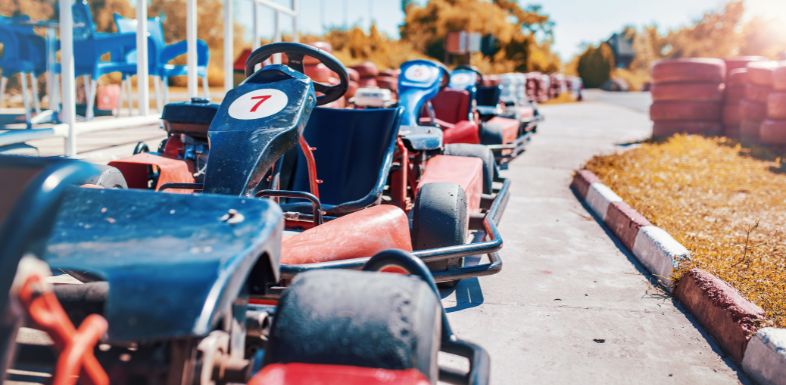
Master the art of karting by adapting to weather conditions. Learn tips to improve your performance and gain the edge on any indoor or outdoor track!
Most people think karting is just about speed and skill, but there’s another player on the track that can make or break your race—the weather. From sudden rain showers to blazing sunshine, weather conditions shape every aspect of your karting experience. Understanding how different elements affect your performance can give you a serious edge, whether you’re racing competitively or just having fun with friends. Continue reading to explore how the weather impacts indoor and outdoor karting events.
Rain, Rain, Go Away: Racing in Wet Conditions
Wet tracks transform karting into an entirely different sport. Water on the asphalt dramatically reduces tire grip, so you’ll need to adjust your driving style immediately. Smooth, gradual inputs become essential—jerky steering or sudden braking will send you spinning faster than you can react.
The racing line changes completely in the rain. Drivers often find better grip off the traditional racing line where rubber buildup hasn’t made the surface as slick. Puddles create additional hazards, hiding bumps and potentially causing hydroplaning. Your kart’s setup matters more in these conditions too, as weight distribution and tire pressure adjustments can mean the difference between maintaining control and watching everyone pass you by.
Sunny Skies and Tire Grip: Optimizing Performance in Dry Weather
Dry conditions might seem straightforward, but they present their own challenges. As temperatures rise, the track surface heats up, which actually improves tire grip—to a point. Push your tires too hard on a scorching day, and they’ll overheat, losing performance when you need it most.
The rubber laid down by previous racers creates a grippy racing line that becomes faster as more karts use it. Smart drivers exploit this by hitting their marks consistently. However, venture off that line and you’ll find significantly less traction. Track knowledge becomes crucial because you’ll want to maximize your time on the optimal path while setting up overtaking opportunities.
The Impact of Temperature: Finding the Sweet Spot
Temperature affects more than just track conditions—it also affects your kart’s mechanical components. Cold weather makes everything more brittle and less responsive. Engines take longer to reach optimal operating temperature, and tires struggle to generate heat for grip.
Hot weather creates the opposite problem. Engines run the risk of overheating, and drivers face physical challenges from heat exhaustion. Tire pressures increase with heat, which changes handling characteristics throughout a race. Indoor and outdoor karting are different in this regard—indoor facilities maintain consistent temperatures, eliminating these variables.
Wind Factor: How Gusts Can Change the Game
Wind is the invisible hand that pushes racers around the track. Strong headwinds down straightaways cut your top speed, while tailwinds provide unexpected boosts. Crosswinds are particularly tricky, as they can destabilize your kart mid-corner, requiring constant steering corrections.
Lighter drivers feel wind effects more dramatically than heavier competitors. On outdoor tracks with long exposed sections, wind can create seconds of difference in lap times. Experienced racers learn to anticipate these gusts and adjust their lines accordingly, staying slightly wider in corners to compensate for sideways forces.
Indoor Karting: A Climate-Controlled Alternative
Indoor karting facilities offer predictable conditions that level the playing field. The controlled environment eliminates weather variables, allowing drivers to focus solely on technique and racecraft. Consistent track temperatures mean tire performance stays stable, and you won’t face sudden changes that force mid-race adjustments.
These venues provide year-round racing opportunities regardless of outdoor conditions. While some purists prefer the challenge of adapting to nature’s curveballs, indoor karting’s consistency makes it ideal for honing fundamental skills without environmental distractions.
Mastering Karting in Any Weather
Weather adds complexity to karting, separating good drivers from great ones. Those who learn to read conditions and adapt their approach will consistently outperform competitors who ignore these factors. Start paying attention to forecasts before your next session, and you’ll discover how much faster you can go when you work with the weather rather than fight it. Check out your local indoor or outdoor karting facility and put these insights to the test on your next visit.