
Critical Factors That Affect Plant Health and Growth
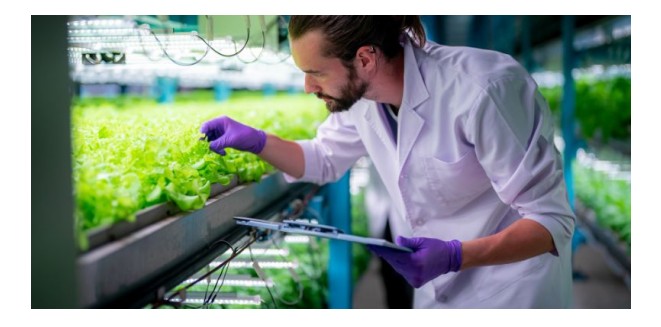
Discover how light, water, soil quality, and proper spacing support stronger plants and steady development in both home and commercial gardens.
Healthy plants depend on balanced conditions that support steady development from root to leaf. Gardeners who recognize the critical factors that affect plant health and growth can reduce stress that harms flowers, vegetables, shrubs, and indoor plants. Every growing space has different challenges, yet most plants respond well when they receive the right amount of light, moisture, and care. Paying attention to environmental conditions also helps plants resist disease while maintaining strong color and structure throughout the season.
Light Exposure and Plant Performance
Light drives photosynthesis and supports healthy energy production within plants. Different species require different light levels, so placement matters. Some plants thrive in direct sunlight for most of the day, while others perform better in shaded areas with filtered light. Weak light can cause stretched stems and faded leaves. Excessive heat from intense sunlight may scorch foliage or dry the soil too quickly. Monitoring sunlight patterns allows gardeners to adjust plant locations before long-term damage occurs.
Soil Quality and Moisture Control
Soil conditions strongly influence root development and nutrient absorption. Loose, nutrient-rich soil allows roots to spread while holding enough moisture to prevent dehydration. Compacted soil limits oxygen flow and can weaken plant stability. Proper watering also plays a major role in plant performance. Overwatering often leads to root problems, while dry soil limits growth and reduces flowering. Watering deeply instead of frequently encourages stronger root systems and improves resilience during warmer weather.
Air Circulation and Temperature Balance
Plants benefit from stable temperatures and steady airflow around leaves and stems. Crowded garden beds trap humidity and create conditions that support fungal problems. Proper spacing improves circulation and helps leaves dry more efficiently after watering or rain. In both indoor and outdoor environments, airflow is essential for plant health and growth because it reduces excess moisture and limits stress caused by stagnant conditions. Temperature swings can also interrupt growth cycles, especially for delicate species that struggle with cold nights or extreme daytime heat.
Nutrients and Ongoing Maintenance
Plants require consistent nutrition throughout the growing season. Nitrogen supports leafy growth, while phosphorus and potassium help strengthen roots and blooms. Applying the correct fertilizer at the proper time improves plant vigor without causing unnecessary stress. Routine maintenance also protects long-term health. Removing damaged foliage allows plants to focus energy on healthy growth. Pruning improves structure and reduces the spread of disease in dense areas of the garden.
Supporting Long-Term Plant Growth
Understanding the critical factors that affect plant health and growth helps gardeners create stronger landscapes with fewer problems during the season. Healthy soil, balanced moisture, proper lighting, and steady air circulation all contribute to plant stability and long-term performance. When these conditions remain consistent, plants develop stronger roots, fuller foliage, and healthier blooms in both indoor and outdoor spaces.