
Epoxy Flooring vs Tiles: Which Option Is Best for Your Space
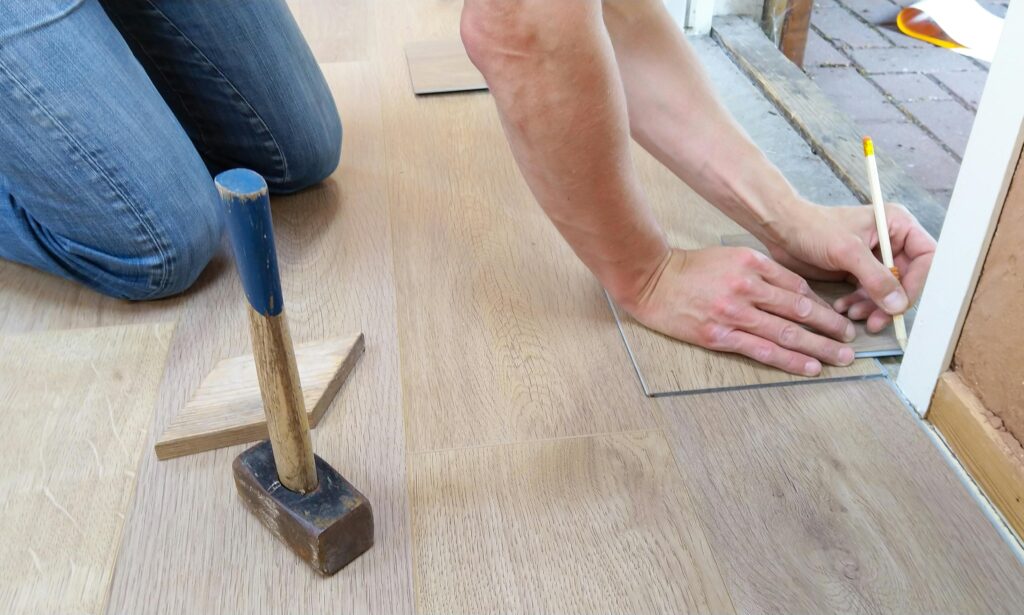
A Practical Guide to Choosing the Right Surface – Epoxy Flooring vs Tiles
When updating your floors, choosing between epoxy flooring vs tiles is one of the most common dilemmas for homeowners and business owners alike. Both options offer durability, style, and ease of maintenance — but they serve different needs depending on the space, function, and aesthetic you’re going for.
What Is Epoxy Flooring?
Epoxy flooring is a tough, industrial-grade coating made by combining resin and hardener, applied directly over concrete. The chemical reaction between the two materials forms a smooth, hard, and seamless surface. It’s widely used in garages, warehouses, commercial kitchens, and even some modern homes.
Key Benefits of Epoxy Flooring:
Seamless and waterproof
Resistant to chemicals, oil, and impact
Available in various finishes (matte, gloss, metallic, flake)
Extremely easy to clean and maintain
Is Epoxy Suitable for Residential Use?
Absolutely. While epoxy is often associated with industrial settings, it’s becoming more popular in modern homes, especially for basements, kitchens, and minimalist interiors. Its clean look, stain resistance, and durability make it a practical option in many domestic applications.
What Are Tiles?
Tile flooring consists of individual slabs — usually made from ceramic, porcelain, stone, or vinyl — installed with grout and adhesive. Tiles have been a go-to choice in residential and commercial design for decades, offering both functionality and decorative flexibility.
Key Benefits of Tile Flooring:
Huge variety of styles, colors, and textures
Scratch and heat-resistant
Works well in wet areas like bathrooms and kitchens
Individual tiles can be replaced if damaged
Can You Apply Epoxy Over Existing Tiles?
Yes, you can install epoxy over tiled floors — if the surface is properly prepared. This includes cleaning the tiles thoroughly, ensuring none are loose or cracked, and roughening the surface for better adhesion. The grout lines typically need to be filled in or leveled for a smooth final result.
Epoxy Flooring vs Tiles: Feature-by-Feature Comparison
Here’s how epoxy flooring vs tiles stack up when compared across key performance areas:
1. Durability
Epoxy: Highly durable under heavy traffic, impact, and chemical exposure.
Tiles: Strong and long-lasting under normal use, though they can crack under heavy impact or poor subfloor conditions.
2. Installation
Epoxy: Requires professional application with multiple steps including surface prep, priming, and curing.
Tiles: Can be DIY-friendly depending on the material, but also labor-intensive and time-consuming for larger areas.
3. Maintenance
Epoxy: Very low maintenance. The seamless surface makes cleaning quick and easy.
Tiles: Easy to clean, but grout lines may require periodic sealing and deeper cleaning to prevent mold or stains.
Which Is Easier to Maintain?
Epoxy offers a clear advantage in ease of maintenance. Its seamless, non-porous surface doesn’t trap dust, dirt, or moisture. Tile floors, while also relatively low maintenance, require attention to grout lines, which can collect grime and discolor over time.
Visual Appeal & Design Options
Both options offer visual flexibility, but they appeal to different styles.
4. Aesthetic Choices
Epoxy: Great for modern, industrial, or minimalist aesthetics. Custom finishes available (e.g., metallic, marble-look, or color flakes).
Tiles: Vast selection in design – from wood-look porcelain to intricate mosaic patterns. Suitable for classic, rustic, or contemporary interiors.
Safety Considerations
5. Slip Resistance
Epoxy: Can be slippery when wet unless non-slip additives or textures are applied.
Tiles: Available in slip-resistant finishes, especially useful in bathrooms, kitchens, or outdoor areas.
Ideal Use Cases for Epoxy Flooring
Epoxy flooring is best suited for:
Garages and basements
Workshops and commercial kitchens
Warehouses and factories
Contemporary interiors with an industrial edge
Spaces exposed to oils, chemicals, or moisture
Best Environments for Tile Flooring
Tiles are ideal for:
Kitchens, bathrooms, and laundry rooms
Living and dining areas
Patios, balconies, and other outdoor areas (with weather-resistant options)
Homes with varied interior design styles
High-traffic spaces needing heat and moisture resistance
Choosing Between Epoxy Flooring vs Tiles
Deciding between epoxy flooring vs tiles comes down to what your space demands and what look you want to achieve:
Go with epoxy flooring if you want a durable, seamless, low-maintenance surface for a utility space or modern interior.
Choose tiles if you want versatility in design, a traditional or warm aesthetic, and a familiar feel underfoot.
Both options are excellent — it just depends on what’s best for your project.